The first piece of art you buy should do more than match a wall. It should stop you for a moment. It should stir something old or hopeful or beautifully hard to name. If you are wondering how to start art collecting, begin there – with the work that creates a real feeling in your body before your mind starts calculating whether it is the “right” choice.
Many people imagine collectors as experts with white gloves, sharp opinions, and serious budgets. In reality, many collections begin quietly. A painting seen on a trip. A print that brings back a landscape you cannot forget. A work by an artist whose way of seeing the world feels strangely familiar. Collecting art is not reserved for insiders. It is a way of saying yes to beauty, memory, and meaning in a more intentional way.
How to start art collecting without pretending to be an expert
One of the biggest misconceptions about collecting is that you need a trained eye before you begin. The truth is almost the reverse. Your eye develops because you begin. Taste is shaped over time by looking, reading, revisiting, questioning, and living with work.
That means your first task is not to sound knowledgeable. It is to become attentive. Notice what kinds of images stay with you. Are you drawn to wild landscapes, human faces, abstract movement, animal life, sacred symbolism, or colors that feel like a memory of travel? Do you respond to calm, tension, freedom, tenderness, mystery? Art collecting becomes far richer when you learn to recognize your own emotional language.
This is also where many new buyers get stuck. They think they should choose what looks impressive, established, or financially clever. Sometimes those factors matter. But if a work leaves you cold, it is a poor beginning. A meaningful collection is not built on other people’s approval. It is built on resonance.
Start smaller than your imagination
People often think collecting begins with a major original painting. It can, but it does not have to. Limited edition prints, smaller original works on paper, and studies can all be thoughtful entry points. What matters is not whether your first purchase is grand. What matters is whether it feels true.
Starting smaller has its own advantage. It gives you room to learn without pressure. You begin to understand framing, editions, mediums, artist communication, and what it means to live with a work over time. Some collectors discover they love the intimacy of smaller pieces. Others realize they want to save for one significant original rather than buy several works quickly. Both paths are valid.
Art is one of those rare things where price and meaning do not always move in perfect proportion. An affordable print can carry enormous emotional weight. A larger original can be transformative, but only if it genuinely speaks to you. Let your first steps be guided by connection and curiosity, not by the idea that collecting only becomes real at a certain price point.
Learn the difference between buying art and collecting it
Buying art once is a purchase. Collecting art is a relationship.
A collector pays attention to who made the work, what world it came from, and why it matters to them. You do not need to turn each purchase into an academic research project, but it helps to know more than the title and dimensions. Read the artist statement. Look at the wider body of work. Notice recurring themes. Ask what the artist returns to again and again.
This matters because a collection gains depth through continuity. Maybe your collection begins to orbit nature, migration, animal presence, quiet spirituality, or the emotional intensity of color. Maybe it becomes shaped by travel and cross-cultural encounter. Maybe it reflects a season of your life. A collection tells a story over time, even if you do not fully understand that story when you start.
How to start art collecting on a budget
There is no shame in having a budget. In fact, a clear budget often leads to more intentional choices. It keeps you from buying impulsively and helps you understand where your real priorities are.
If your budget is modest, prints can be an excellent beginning, especially when they are made with care and integrity. They allow you to collect an artist’s vision in a more accessible form. Smaller originals can also be wonderful, particularly from emerging artists whose work feels alive and distinctive.
At the same time, be careful with the word investment. Art can increase in value, but that should not be the only reason to buy. If financial growth is your primary goal, the art market can be unpredictable. If your goal is to live with something powerful and meaningful, then the return is already happening in a different form. The strongest beginner mindset is this: buy what you would still love if it never doubled in price.
Ask good questions before you buy
A thoughtful collector is not afraid to ask questions. In fact, artists and galleries often appreciate it when the interest is genuine.
Ask about the medium, the year, whether the work is original or part of an edition, how the piece should be cared for, and what inspired it. If you are buying a print, ask about the edition size and printing process. If you are buying an original, ask whether a certificate of authenticity is included.
You do not need to interrogate every detail, but a few clear questions can tell you a lot about the professionalism behind the work. They also help you buy with confidence rather than hesitation. Confidence in collecting does not come from knowing everything. It comes from learning how to ask what matters.
Give yourself time to look before you decide
There is a certain kind of excitement that art creates, and sometimes that excitement leads to a beautiful spontaneous purchase. But not always. Some works deepen in meaning the longer you sit with them. Others lose their intensity after the first spark.
If possible, revisit a piece. Look at it in the morning, in the evening, after a busy day, after a quiet one. Ask yourself whether it still feels alive. Art worth collecting usually keeps opening. It does not become flatter the longer you look.
This slower pace is especially important for new collectors because it helps you distinguish temporary attraction from lasting connection. There is no prize for buying quickly. A collection grows best when it grows honestly.
Let your collection reflect your life, not a trend
Trends move fast. One year everyone wants soft abstracts. Another year the market leans toward maximal color, figurative work, or politically charged pieces. You can appreciate trends without building your collection around them.
The more meaningful question is: what belongs to your life? Which works echo your values, your wonder, your losses, your memories, your courage? Art collecting can become a very intimate practice when you allow it to mirror what you care about most.
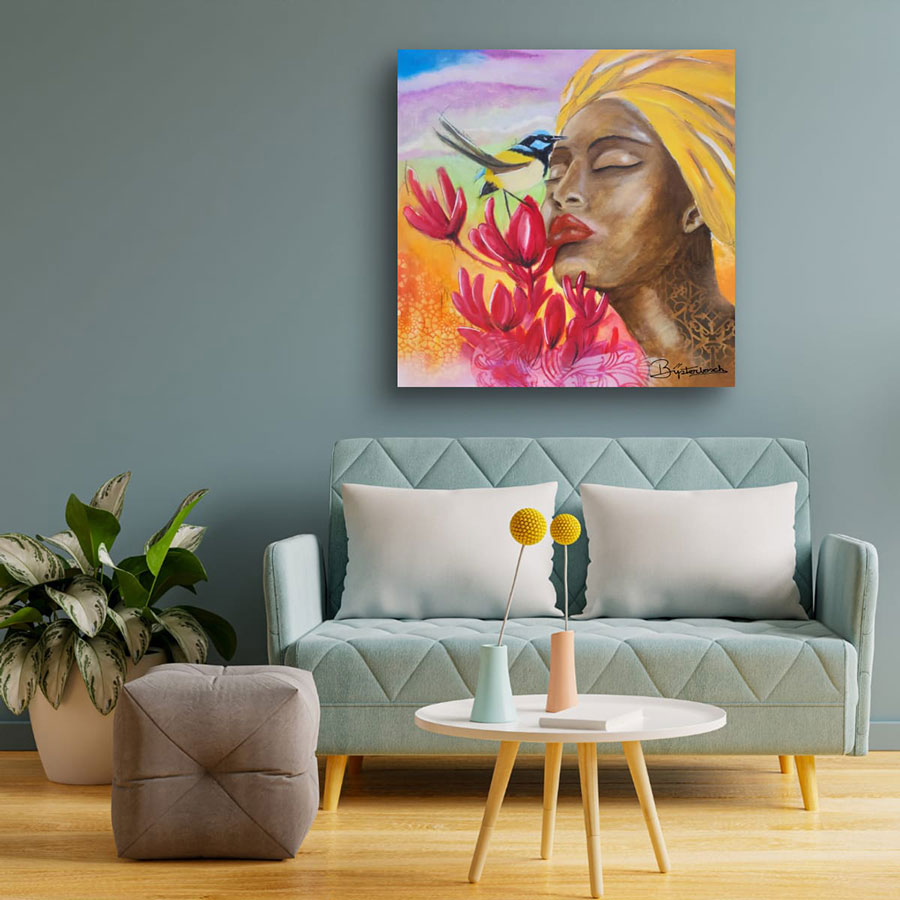
For some people, that means collecting work rooted in the natural world. For others, it means seeking out art shaped by travel, cultural exchange, or conservation. Bijsterbosch Art, for example, speaks to collectors who want beauty to carry emotional depth and a living sense of story. That kind of collecting is not about chasing status. It is about choosing work that keeps speaking.
Keep records from the beginning
This may sound unromantic, but it matters. Save receipts, artist correspondence, certificates, edition details, and notes on why you bought each piece. Record the title, dimensions, medium, date, and purchase price.
These records help with authenticity, insurance, resale if that ever becomes relevant, and your own memory. Years from now, you may be surprised by how moving it is to remember where a piece entered your life. Collecting is practical and emotional at once. Good documentation supports both.
Trust your eye, then refine it
Taste is not fixed. The work that moves you now may be different from the work you seek five years from now. That does not mean your early choices were mistakes. It means you are growing.
Collectors often become more discerning over time. They notice quality of line, surface, composition, material presence, and emotional complexity in a deeper way. But refinement should not become self-consciousness. The point is not to outgrow sincerity. The point is to become more articulate about what you already feel.
If you are just beginning, give yourself permission to be both moved and discerning. Love the work, and also learn from it. Stay open. Stay curious. Stay willing to be surprised by what keeps calling you back.
Art collecting begins long before you own ten pieces or know the market language. It begins the moment you decide that beauty with soul deserves a place in your life, and that your response to it is worth trusting.