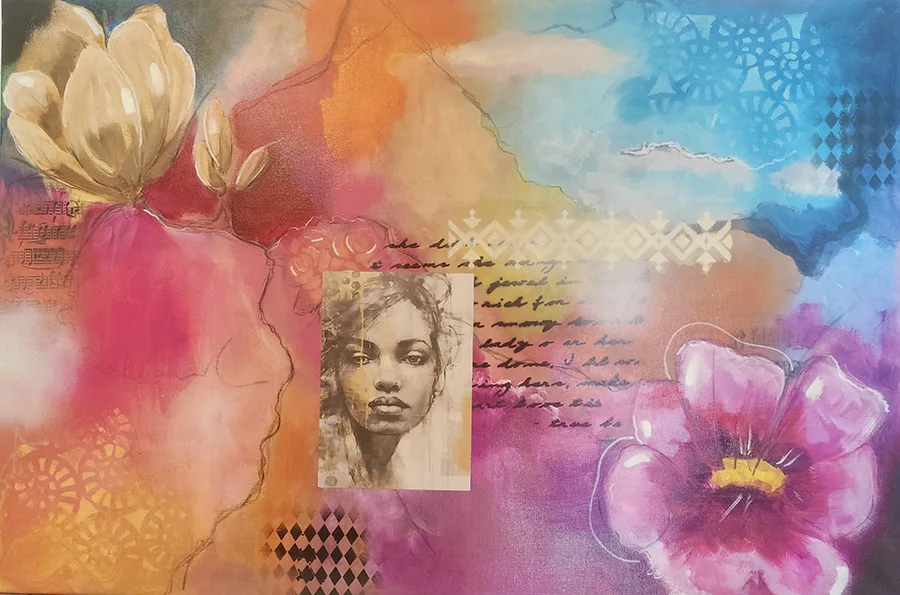
A hotel is remembered in flashes. The light in the lobby at dusk. The quiet of a hallway after a long journey. The feeling in a guest room before sleep. When people ask about the best art styles for hotels, they are rarely asking only about appearance. They are asking what kind of atmosphere lingers in the body, what kind of memory stays, and what kind of story a place tells without speaking.
Art in hospitality has a rare responsibility. It must hold beauty, yes, but also presence. It has to meet many people where they are – tired, hopeful, celebratory, grieving, curious, in love, in transit. The strongest hotel art does not feel like filler. It creates a sense of arrival.
What makes an art style right for a hotel?
Not every beautiful artwork belongs in a hotel. Some works are too private in spirit. Some are visually loud but emotionally empty. Some photograph well yet leave no human trace behind. The right choice depends on the type of property, the pace of the space, and the emotional tone the hotel wants to offer.
A business hotel may need clarity, calm, and sophistication. A nature retreat may call for organic movement and reverence for the landscape. A boutique hotel often has more freedom to be intimate, local, or surprising. A luxury property usually benefits from work with depth and material richness, not just scale.
This is where style matters. Art style shapes rhythm. It changes whether a space feels grounded, expansive, warm, mysterious, playful, or contemplative.
Best art styles for hotels that want lasting impact
1. Abstract expressionism
Abstract expressionism remains one of the best art styles for hotels because it carries emotion without becoming overly literal. A guest does not need context to feel movement, tension, softness, or release in the paint. That immediate emotional access matters in hospitality, where people encounter art quickly and often in passing.
This style works especially well in public areas where many different personalities move through the same space. It leaves room for interpretation, which makes it inclusive. At its best, abstract expressionism brings energy and soul together.
The trade-off is balance. If the work is too chaotic, it can create restlessness. If it is too generic, it disappears into the background. Strong pieces in this style need a clear artistic hand.
2. Nature-inspired realism
There is a reason guests respond so deeply to art rooted in landscape, wildlife, flora, and natural forms. Nature-inspired realism creates recognition and calm. It reminds people of places beyond schedules and screens. In hotels that want to offer restoration, this style can be deeply effective.
Realism does not need to feel old-fashioned. When handled with sensitivity, it can feel vivid, atmospheric, and emotionally expansive. Paintings of birds, forests, coastlines, or botanical life can bring a quiet dignity to a hotel experience.
This style is especially powerful when it reflects the spirit of the surrounding region, though it should never slip into postcard imagery. The difference lies in whether the artwork offers vision or cliché.
3. Contemporary figurative art
Figurative work introduces human presence. It can make a hotel feel less anonymous and more emotionally awake. Faces, gestures, and bodies carry narrative instinctively. Guests read them almost unconsciously.
Contemporary figurative art is a strong choice for boutique hotels or properties that want a more personal identity. It can evoke intimacy, cultural richness, and a sense of encounter. The best works in this category do not simply portray people. They suggest inner life.
Still, this style asks for care. Figurative art can become too specific, too provocative, or too emotionally heavy for certain hospitality environments. The question is not whether it is beautiful, but whether it creates the right emotional register for guests arriving from many different circumstances.
4. Minimalist abstraction
Some hotels need visual stillness. Minimalist abstraction offers that stillness without feeling cold when it is done well. Soft fields of color, restrained composition, and subtle texture can create a spacious emotional effect. In fast-moving environments, that can feel like relief.
This style often suits luxury properties, wellness-focused stays, and architecturally refined spaces where silence is part of the experience. It does not compete for attention. It allows people to exhale.
Its weakness is also its strength. Minimalist work can feel serene, but if it lacks sensitivity, it may also feel impersonal. Material quality matters here. Surface, tone, and nuance do much of the emotional work.
5. Cultural and heritage-based art
Hotels often speak about authenticity, but art is one of the few ways to express it with honesty. Cultural and heritage-based styles can connect a hotel to place, ancestry, craft traditions, and lived history. When approached with respect, this kind of work gives a property real depth.
Guests are increasingly drawn to experiences that feel rooted rather than generic. Art shaped by local narratives, tribal influences, or traditional visual languages can create that sense of rootedness. It invites people into a larger story.
But this is where intention matters most. Heritage-based art should never be used as surface-level branding. Without genuine collaboration or understanding, it can feel extractive. The value comes from reverence, not aesthetic borrowing.
6. Organic abstract art
Organic abstraction sits beautifully between nature and emotion. It often uses flowing forms, earthy palettes, botanical echoes, or layered textures that suggest growth, water, stone, air, and movement without depicting them directly.
This style works well in hotels that want atmosphere rather than statement. It can soften architectural lines and create a sense of harmony. For guests, it often feels instinctively calming because it mirrors patterns found in the natural world.
Organic abstract art is also versatile. It can feel elegant, grounded, contemporary, or soulful depending on the artist’s language. That makes it useful across many hospitality concepts without becoming repetitive.
7. Large-scale atmospheric painting
Some hotel spaces ask for more than decoration. They ask for presence. Large-scale atmospheric painting can transform a lobby, restaurant, corridor, or suite by creating an emotional field around the viewer. These works often rely on light, depth, color transitions, and painterly openness rather than detailed subject matter.
What makes them special is their ability to slow perception. Guests do not only look at them. They enter them, in a sense. A well-made atmospheric painting can make a large commercial space feel less transactional and more human.
This style does require confidence. Scale amplifies everything, including weakness. If the work lacks depth, it can feel theatrical instead of meaningful.
Choosing among the best art styles for hotels
The best choice is not the trendiest one. It is the one that supports the emotional promise of the hotel. A coastal retreat might come alive through atmospheric seascapes or organic abstraction. A city hotel may lean into bold contemporary abstraction or figurative work with urban character. A property centered on quiet and renewal may benefit most from minimalist or nature-led painting.
It also helps to think in terms of emotional rhythm across the building. Public spaces often carry more energy. Guest rooms usually ask for softness and steadiness. Transitional spaces such as corridors can hold subtle narrative threads without becoming visually busy.
Most of all, the artwork should feel made, not manufactured. Guests sense the difference. Originality carries an energy that repetition cannot. Even when they cannot explain it, people respond to art with a living point of view.
Why soulful art matters in hospitality
A hotel can offer comfort, efficiency, and beauty and still feel forgettable. What makes it memorable is often something less measurable. A feeling of warmth. A moment of wonder. A sense that someone cared about what the guest would feel, not just what they would see.
That is why expressive painting has such a meaningful place in hospitality. It brings humanity into commercial space. It reminds travelers that even in motion, they can still encounter something alive, honest, and quietly transformative.
For hospitality projects seeking emotional resonance rather than visual noise, Bijsterbosch Art often works in this space between atmosphere and story – creating art that carries color, freedom, and a deep connection to nature, culture, and the human spirit.
The best hotel art styles are the ones that leave a trace after checkout. Not because they shouted the loudest, but because they made someone feel, even briefly, more present in the world.