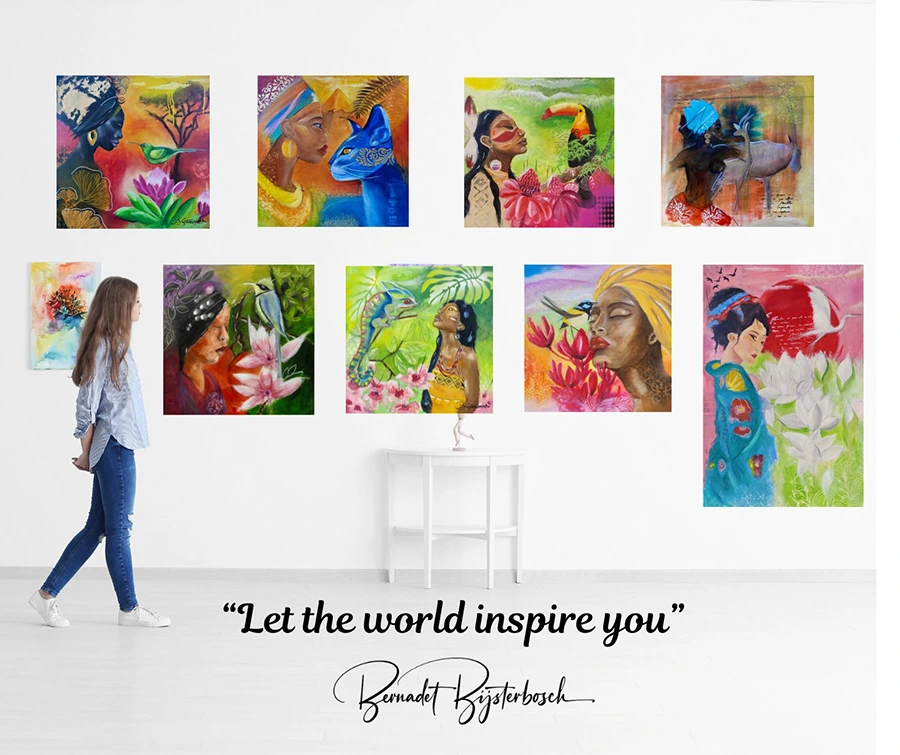
The moment you sketch a rainforest leaf in humid morning air, or mix paint while birds call overhead from a canopy you have only known from photographs, art changes. A true guide to artist travel retreats begins there – not with packing lists or glossy promises, but with the shift that happens when your creative practice leaves the studio and meets a living landscape.
For many artists, travel retreats hold a quiet promise. They offer distance from routine, yes, but more than that, they create conditions for attention. You notice color differently when the red earth stains your shoes. You listen differently when local stories are shared face to face. You work differently when the place itself seems to ask something honest from you.
That is why artist travel retreats can feel so transformative. They are not ordinary vacations with a sketchbook on the side. At their best, they are immersive creative experiences where travel, observation, culture, and personal expression begin to move together.
What makes artist travel retreats different
An artist retreat is often confused with a workshop, a tour, or a creative holiday. Sometimes it includes parts of all three, but the heart of it is deeper. A travel retreat places art-making inside direct experience. Instead of learning only from reference photos or classroom exercises, you respond to weather, wildlife, people, sound, scale, and atmosphere in real time.
That matters because art is not made from technique alone. It is shaped by presence. When you are working in Madagascar, Costa Rica, or Malaysia, the creative process becomes less controlled and more alive. You may need to adapt to heat, changing light, muddy paths, unfamiliar textures, or emotional encounters with local communities and conservation work. That can be challenging, but it is often where stronger work begins.
The best retreats also carry intention. Some focus on skill-building. Others center on reflection, cultural exchange, or environmental awareness. Some are closely guided, while others leave more room for independent exploration. There is no single perfect model. The right fit depends on the kind of artist you are, and the kind of experience you are ready for.
A guide to artist travel retreats that actually fits real artists
If you are considering one, it helps to ask a more personal question than, Where should I go? Ask, What do I want this journey to awaken in me?
Some artists need technical momentum. They want focused days of drawing, painting, feedback, and visible progress. Others are longing for emotional renewal. They feel creatively tired, and they need beauty, space, and the courage to begin again. Another artist may be looking for purpose – a retreat where art connects to something larger, such as biodiversity, local communities, or a conservation mission.
That distinction matters. A retreat can be visually stunning and still not be right for you. If the schedule is too packed, you may feel drained instead of inspired. If it is too open, you may lose momentum. If the destination is extraordinary but the artistic support is thin, the journey may stay memorable without becoming creatively meaningful.
This is why choosing well matters more than choosing dramatically. The retreat should support your way of working, while also stretching it.
Look beyond the destination
A beautiful location can draw you in, but it should not be the only reason you say yes. Ask how the retreat is structured. Will there be time for field sketching, painting, conversation, and rest? Is the experience led by a practicing artist with a clear creative voice? Are you expected to produce finished work, or is the emphasis on observation and process?
These questions shape everything.
A jungle retreat, for example, sounds romantic, and often it is. But it may also involve physical intensity, changing weather, insects, long travel days, and a need for flexibility. For some artists, that rawness is exactly what opens new energy. For others, it may be overwhelming. Neither response is wrong. The goal is honesty.
Pay attention to the emotional atmosphere
Creative growth does not only depend on scenery or instruction. It also depends on the emotional tone of the group. The most nourishing retreats tend to create a sense of trust. There is room to experiment, fail, try again, and share work without performance.
That kind of atmosphere can be surprisingly powerful. Many artists carry private doubt, even after years of making work. In an environment where curiosity is valued over perfection, something softens. People take more risks. Their work becomes more personal. They stop trying to impress and start trying to see.
Know whether purpose matters to you
Some of the most meaningful artist travel retreats are connected to something beyond individual development. They may support local organizations, conservation efforts, or community-based projects. For artists who care deeply about nature, culture, and ethical travel, this can add a profound layer to the experience.
When art is made in relationship with a place rather than simply extracted from it, the work often carries more truth. You are not only taking inspiration. You are entering a conversation.
How to prepare for an artist travel retreat
Preparation is less about bringing every possible material and more about arriving with the right mindset.
Of course, practical planning matters. You need to understand climate, physical conditions, travel requirements, and what materials are realistic to carry. A retreat in tropical conditions may call for a lighter setup than you use at home. Fast-drying materials, compact sketchbooks, and a willingness to simplify can serve you better than an overpacked suitcase full of good intentions.
But the deeper preparation is internal. Let go of the fantasy that you will produce your best work every day. Travel changes your rhythm. Some days you will feel flooded with ideas. Other days you may feel tired, disoriented, or overstimulated. That does not mean the retreat is failing. Often, the real work of seeing begins after expectation loosens its grip.
It also helps to arrive ready to document, not just finish. Small studies, color notes, written impressions, and unfinished sketches can become the seeds of future paintings. A retreat is not always the place where masterpieces are completed. It is often the place where something richer is gathered.
What artists often gain from these journeys
The obvious gain is inspiration, but that word can be too vague to be useful. What many artists actually gain is permission. Permission to work differently. Permission to be bolder with color, looser with line, more instinctive in response. Permission to make art from direct feeling rather than overthinking.
Travel retreats also sharpen memory. When an artwork grows from lived experience, it tends to carry an energy that viewers can feel, even if they do not know the full story. The artist knows where the light came from. They remember the smell of the forest floor, the rhythm of a village, the eye contact with an animal, the unexpected conversation that stayed with them. That depth does not guarantee a better painting, but it often brings a more embodied one.
There is also the human side. Working alongside other artists in an unfamiliar place can create unusual honesty. Conversations become less guarded. Shared effort builds connection quickly. For artists who usually create alone, that sense of creative companionship can be deeply restorative.
The trade-offs are real, and worth respecting
Not every retreat will feel magical from start to finish. Travel can expose discomfort as much as wonder. Group dynamics vary. Physical exhaustion is possible. A place may move you emotionally in ways you did not expect. You may create less than you hoped, or work that feels unresolved.
Yet unresolved does not mean unimportant.
Some retreats do their most meaningful work after you return home. The experience keeps unfolding in the studio. Images resurface. Ideas mature. A sketch made in ten humid minutes becomes the starting point for a body of work months later.
So it helps to measure the value of a retreat by more than immediate output. Ask whether it changed your attention, deepened your courage, or expanded your relationship to the world you paint.
Choosing the retreat that feels true
A good guide to artist travel retreats should leave room for intuition. Not every choice can be made on logistics alone. Sometimes you read about a place, an artist leader, or a shared mission, and something in you responds before you can explain why.
That response matters, as long as it is paired with discernment. Read carefully. Ask questions. Be honest about your energy, your experience level, and your hopes. If a retreat combines art, nature, and a meaningful ecological purpose, it may offer more than a change of scenery. It may return you to your own creative life with greater clarity and conviction.
At Bijsterbosch Art, the art weeks are shaped around that kind of living encounter – making work in wild places, meeting beauty with attention, and letting creativity support the protection of forests, animals, and people. For the right artist, that is not only a retreat. It is a way of remembering why art matters.
If you feel called to make art while the world is still breathing all around you, trust that instinct. Sometimes the next step in your creative path is not to stay where things are familiar, but to go somewhere that asks you to see with a braver heart.