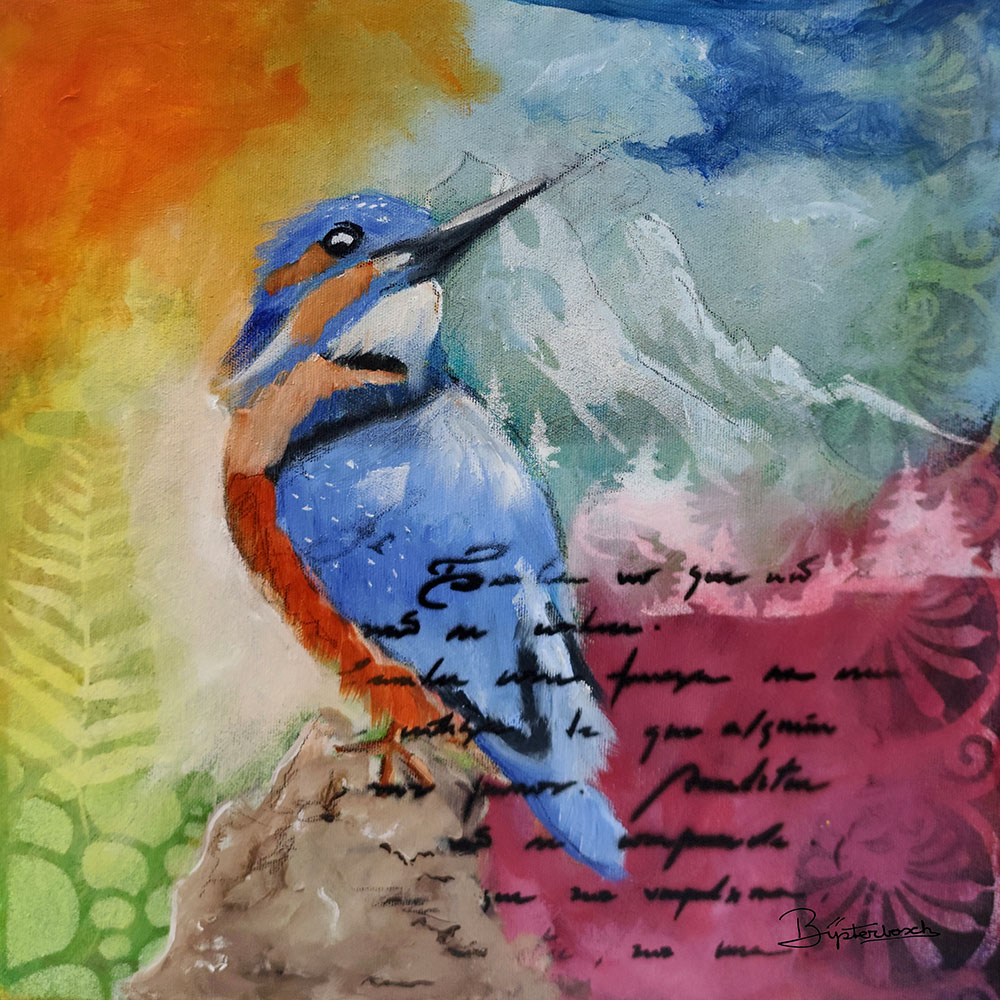
 A painting can stop you in your tracks before you know anything about its size, price, or technique. That moment matters. If you are learning how to buy original paintings, begin there – with the feeling that something in the work has already found you.
Too many people approach original art as if they need a secret vocabulary before they are allowed to trust their own eye. You do not need to sound like an expert to choose a meaningful painting. You need attention, honesty, and a willingness to look a little longer than usual. The right work often does more than match a wall. It stirs memory, longing, calm, courage, or wonder. It becomes part of the emotional climate of your life.
How to Buy Original Paintings Without Guessing
The first question is not, “Is this a good investment?” It is, “What happens in me when I see it?” Original art is personal. A painting may call you back because of its color, but what makes it stay with you is usually deeper than color alone. It may remind you of a place you once traveled, the presence of an animal in the wild, a face you cannot forget, or a freedom you want more of in your life.
That emotional response is not naive. It is often the clearest signal you have.
Still, emotion should be paired with observation. Spend time with the work. Notice whether the painting keeps revealing something new after the first impression. Look at the surface, the movement, the balance, and the way the artist handled light, shadow, texture, or gesture. A strong original painting often carries energy in the details. Even quiet works have a pulse.
If you are buying online, ask for more than one image if needed. You should be able to see the full work and a few closer views of the paint surface. Original oil paintings, especially, have a physical presence that flat images can flatten. Brushwork, layers, and texture can completely change your sense of the piece.
Start With Connection, Then Ask Better Questions
Once a painting truly interests you, move gently from feeling into clarity. This is where good questions protect both your heart and your budget.
Ask about the medium, the exact dimensions, and whether the painting is framed or unframed. Ask when it was made and whether it is signed. If the work speaks to you because it feels alive with story, ask about that story too. What inspired it? Was it created from travel, memory, a landscape, a human encounter, a wildlife moment, or an inner vision? The answers matter because original art carries the presence of its making.
You can also ask about practical care. Oil paintings are durable, but they should still be handled thoughtfully. Knowing how a work should be transported, hung, and maintained helps you feel grounded in the purchase.
One more question matters more than many buyers realize: ask yourself whether you would still want this painting if no one else ever saw it. That quiet test can reveal whether you are buying from real connection or from pressure.
What Makes an Original Painting Worth Buying
Worth is not only about fame, trends, or resale value. A painting can be deeply worth buying because it has artistic integrity, emotional force, and a voice you can feel. Not every powerful piece is loud. Some of the most lasting works are the ones that create stillness.
Look for signs of intention. Does the composition feel considered? Do the colors feel chosen rather than random? Is there confidence in the mark-making, even if the style is loose or expressive? Original art does not have to be polished to be strong. In fact, too much polish can sometimes remove the soul. But it should feel alive and resolved in its own language.
This is where it helps to know the difference between style and sincerity. A painting may follow a popular aesthetic and still feel empty. Another may be unconventional yet full of presence. The question is not whether it resembles what is fashionable. The question is whether it carries truth.
The artist’s body of work can also tell you something. When you look at several pieces, do you sense a personal world, a recurring curiosity, a real point of view? That continuity often signals depth rather than imitation.
Price, Budget, and the Honest Middle Ground
Price can make people freeze. They either assume original paintings are out of reach, or they rush to justify a purchase they do not fully understand. Neither response helps.
Set a budget before you begin, but leave room for nuance. Sometimes a painting you deeply love costs a little more than planned, and the difference is worth it. Other times, a high price does not automatically mean a stronger work for you. The goal is not to find the cheapest option or the most expensive one. It is to find the painting whose value feels real in relation to its quality, scale, medium, and emotional significance.
A smaller original can hold more power than a large one. A quiet work can stay with you longer than something dramatic. It depends on the painting and on your relationship with it.
If the price feels high, ask why. There may be clear reasons – the complexity of the work, the material, the years behind the artist’s practice, or the uniqueness of the subject. Serious artists are not simply selling objects. They are offering years of attention, risk, discipline, and vision made visible.
How to Buy Original Paintings Online With More Trust
Buying online asks for a different kind of confidence, but it can still be deeply personal. In some ways, it invites you to slow down more because you cannot rely on the atmosphere of a gallery or event to make the decision for you.
Read carefully. Notice whether the artist or gallery communicates with openness. Is there clarity about materials, size, shipping, and return terms if applicable? Does the language around the work feel thoughtful and sincere, or generic and rushed? Trust often reveals itself in small details.
Look for consistency in the artist’s presentation. The images, descriptions, and overall body of work should feel coherent. If a painting is described as original, that should be unmistakably clear. If you need reassurance, ask directly for confirmation that the piece is one of a kind.
Most of all, do not let speed replace discernment. An original painting is not a casual click. Even when the decision feels intuitive, give yourself enough time to sit with it.
The Questions That Matter After You Fall in Love
When a painting keeps returning to your mind, you are close. At that point, practical questions become an act of care, not doubt.
Ask about provenance if relevant, especially for older works. Ask for a certificate of authenticity if the artist provides one. Confirm the condition of the painting. If there are imperfections, restorations, or aging marks, you should know. None of this ruins the romance of art. It protects it.
Then ask the hardest question of all: can you imagine living with this work for years and still discovering yourself inside it?
The best original paintings do not exhaust themselves quickly. They accompany you through changing seasons of thought and feeling. They meet you differently over time. That is part of their quiet power.
For those drawn to art rooted in nature, travel, wildlife, and human presence, this matters even more. Story-rich paintings often hold layers that unfold slowly. They carry the atmosphere of a place, the tenderness of a moment, or the mystery of a culture encountered with reverence. When that kind of work is genuine, you do not simply buy an image. You welcome a living memory into your world.
If you are still unsure, return to the beginning. Not to fear, but to feeling. The right painting rarely asks you to become someone else to deserve it. It asks you to recognize what already moves you. And when you do, buying original art becomes less about making the perfect choice and more about saying yes to a piece of beauty that feels unmistakably true.