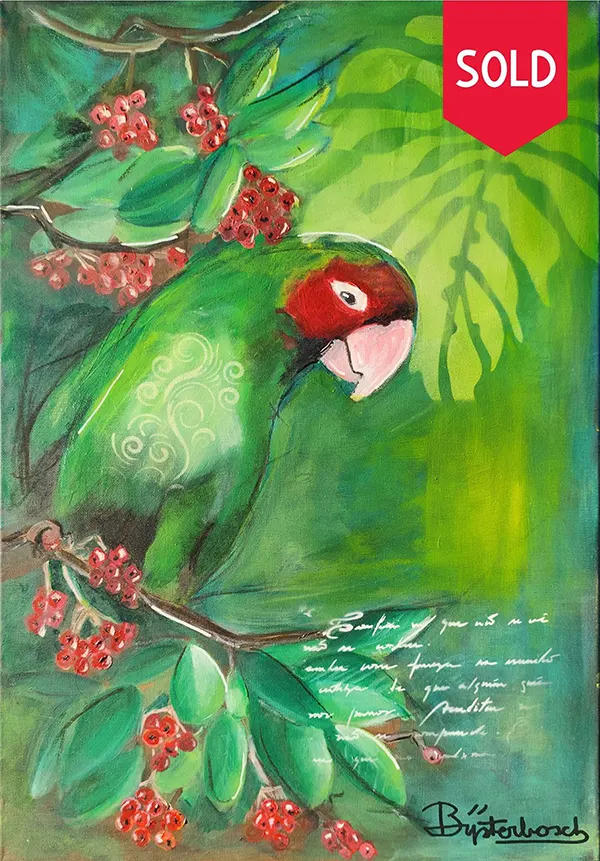
At first light, the rainforest does not ease you into the day. It arrives all at once – birds calling from unseen branches, wet leaves catching silver light, insects pulsing like tiny instruments in the dark green air. A rainforest artist retreat begins there, in that living intensity, before a sketchbook is opened or a brush touches paper. For many artists, that is the real invitation – not simply to make work in a beautiful place, but to step into an ecosystem so alive that it changes the way you see, feel, and create.
There is a difference between borrowing nature as a mood and meeting it as a presence. In the rainforest, color is not decorative. It is survival, seduction, camouflage, warning, rhythm. Shapes are not arranged for our comfort. Vines twist in their own direction. Roots push through the earth with quiet force. Light flickers, disappears, then returns in fragments. For an artist, this can feel both exhilarating and deeply humbling.
That humility matters. It strips away habits. It interrupts the polished, controlled part of practice that can become too careful, too familiar. In a rainforest, you are reminded that beauty is not always neat. It can be lush, chaotic, saturated, strange. It can ask more of you than a quick reference photo ever will.
What a rainforest artist retreat gives that a studio cannot
A studio offers safety. That can be a gift, especially when you need focus, repetition, and technical discipline. But it can also make it easy to circle the same visual language for too long. A rainforest artist retreat shifts the body first, and then the work follows.
When you walk a forest trail in heavy air, hear distant monkeys or watch a butterfly flash electric blue and vanish, perception becomes more alert. You stop looking only with the eyes. You begin to notice temperature, scent, moisture, movement at the edge of vision. That full sensory attention often opens something in the creative process that has been dormant.
This is not the same as a vacation with a sketchbook. The retreat setting brings intention. Time is shaped around observation, making, reflection, and often conversation with others who have also come seeking more than productivity. That shared atmosphere can be powerful. Artists who usually work in isolation often rediscover courage when they create in the company of people willing to be moved by the same landscape.
And yet, retreat is not automatically easy. Some artists arrive expecting immediate brilliance and instead meet discomfort. The heat can be tiring. The sounds can be relentless. The pace of the natural world does not obey your plans. This is part of the experience, not a flaw in it. Creativity rarely deepens when everything stays convenient.
The deeper reason artists seek the rainforest
Many artists are not only looking for fresh imagery. They are looking for a way back to sincerity.
Modern creative life can become crowded with performance – deadlines, algorithms, visibility, pressure to explain your work before it has even had time to breathe. In that environment, the inner life of art can grow thin. A rainforest offers a different measure of value. It does not care whether the drawing becomes successful. It asks whether you are paying attention.
That shift can feel profoundly healing. When you spend days observing the intricate intelligence of plants, insects, water, and wildlife, the ego softens. You remember that making art is not always about proving something. It can also be about listening, witnessing, and honoring what is fragile, ancient, and interconnected.
For artists drawn to conservation, cultural respect, and ethical travel, this matters even more. The rainforest is not an abstract symbol of wild beauty. It is home, habitat, medicine, ancestry, and survival. It holds threatened species and living knowledge. To create in such a place is a privilege, and it carries responsibility.
A rainforest artist retreat and the question of impact
The most meaningful retreats do more than offer inspiration. They create a relationship between art and care.
That might mean learning from local guides and communities rather than moving through the land as if it exists only for creative extraction. It might mean understanding the environmental pressures shaping the region. It might mean allowing the work created there to support biodiversity protection or community-led initiatives in a real way.
This is where the experience becomes larger than personal renewal. Art can carry witness. It can turn emotion into awareness and awareness into practical support. When a retreat is designed with integrity, the creative experience does not stand apart from the place. It gives something back.
That said, not every artist wants the same level of engagement. Some come ready to make politically or ecologically direct work. Others need a slower, more intuitive process. Both are valid. Purpose-driven creation does not need to become didactic to be meaningful. Sometimes the quietest painting can hold the deepest reverence.
What the creative process feels like in the rainforest
At first, many artists try to capture everything. The giant leaves. The shifting greens. The unfamiliar birds. The layers of shadow. Very quickly, that effort becomes impossible. The rainforest is too much. And strangely, that is when the work begins to become more personal.
Instead of documenting every detail, you start choosing what calls to you. A curve of bark. A pattern of wing markings. The red flash of tropical flowers against deep moss. The stillness of a person listening in the forest. Your visual language starts to respond rather than record.
This often leads to more honest work. Some artists become looser, letting color lead. Others become more attentive to texture and line. Some turn inward and make abstract work rooted in sensation rather than image. There is no single correct outcome. The value of the retreat lies in that transformation – from trying to possess the landscape to letting it alter your creative instincts.
Working this way also rebuilds trust. Trust in first marks. Trust in silence. Trust in not knowing exactly what the final piece will become. For artists who have felt stuck, over-edited, or disconnected from joy, that can be the most valuable part.
Why shared experience matters
Artistic solitude is sacred, but so is witnessing one another in the act of becoming braver.
In a retreat setting, conversations often go deeper than technique. People speak about why they make art, what they fear, what they hope their work can do in the world. In a rainforest, those conversations tend to become more honest. Perhaps it is because the setting itself is so raw and alive. Pretending feels harder there.
A meaningful retreat creates room for this kind of exchange without forcing it. There is a difference between community and crowd. The right group dynamic allows each person to keep their own interior process while still feeling supported by a larger shared intention.
This is especially important for artists who want their work to participate in something beyond themselves. A space that connects creativity with biodiversity, cultural respect, and lived experience can be deeply affirming. It reminds you that art does not lose its soul when it serves a cause. In the best cases, it becomes more fully itself.
Choosing the right rainforest artist retreat
Not every retreat that uses the word transformative truly is. A beautiful setting alone is not enough. The deeper question is what kind of experience is being offered, and what values shape it.
Look for clarity. Is the retreat centered on real artistic practice, or mostly on lifestyle imagery? Does it honor the place and people involved? Is there time for reflection, not just activity? Are participants invited into genuine observation and creation, or rushed from moment to moment in search of highlights?
It also helps to be honest with yourself. Some artists need structure, guidance, and shared critique. Others need spaciousness and quiet. Some are ready for physical challenge and immersion. Others may want a more accessible pace. Neither is more serious. The right choice depends on where you are in your practice and what kind of renewal you are seeking.
Art-To-Protect approaches this experience as both a creative journey and a living connection to conservation. That balance matters. It keeps the retreat from becoming either purely aesthetic or purely instructional. Instead, it becomes felt, human, and lasting.
A rainforest artist retreat will not hand you a finished style or solve every creative question. What it can do is more interesting. It can return you to wonder with sharper eyes and steadier courage. And once that happens, the work you make afterward is rarely the same.