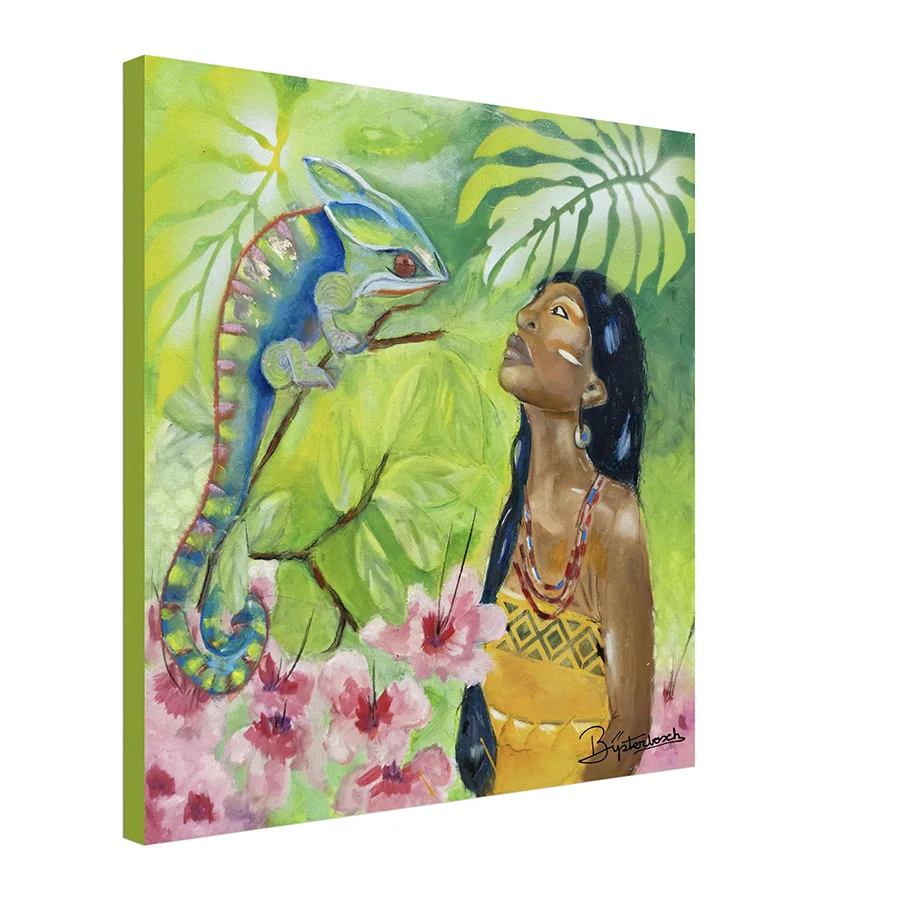
The first sound may be a howler monkey moving through the canopy. The first color may be the improbable green of a leaf after rain. At Costa Rica Art Week, the landscape is not a backdrop to creative work. It is a living presence, asking artists to slow down, look longer, and respond with honesty.
This is an invitation to make art close to the source of wonder. In a country where rainforest, coastline, wildlife, and human stories meet in extraordinary density, creative practice becomes something more intimate than a studio routine. It becomes a way of paying attention – to the wingbeat, the river, the changing light, and the people who carry knowledge of a place across generations.
Why Costa Rica Art Week Matters
Many artists know the feeling of needing to step outside familiar habits. The same desk, the same view, and even the same reliable techniques can eventually make the work feel smaller than the questions inside it. A journey into a biodiverse landscape can open the senses again, not by forcing inspiration, but by giving it room to arrive.
Costa Rica offers that kind of encounter. Nature is not distant here. It hums, climbs, calls, and changes around you. A morning sketch may begin with dense tropical foliage and end with a study of a bird in flight. A conversation with a local community member may bring a new understanding of the relationship between land, culture, livelihood, and protection.
For Art-To-Protect, an Art Week is rooted in a simple belief: art can create awareness, connection, and lasting support for places that need care. The experience is designed for artists and art lovers who feel that beauty carries responsibility. It honors the freedom of personal expression while keeping the larger purpose in view.
A Creative Journey, Not a Painting Vacation
There is a meaningful difference between traveling somewhere beautiful and allowing a place to shape your work. An Art Week asks for the second. Participants are encouraged to arrive with curiosity rather than a fixed outcome, because the most powerful work often begins where certainty loosens.
That does not mean abandoning skill or intention. Bring your visual language, your materials, your questions, and your creative courage. But leave space for surprise. A work made in response to a humid forest path may become more abstract than expected. A quick drawing of an animal may lead to a larger reflection on vulnerability, coexistence, or joy. The point is not to produce a postcard version of Costa Rica. It is to create from a genuine encounter.
The days can hold observation, sketching, painting, conversation, and quiet reflection. Some artists thrive in the energy of working alongside others; some need solitude before they can make a mark. Both approaches have value. A well-held group experience makes room for shared inspiration without demanding that everyone create in the same way.
Let the Place Lead the Process
Working outdoors has its own rhythm. Light changes quickly. Rain may arrive without warning. Paper softens in humidity, and an ambitious plan may need to become a small, immediate study. These are not failures of control. They are part of learning to collaborate with a living environment.
For that reason, simple, adaptable materials are often wiser than bringing an entire studio. A sketchbook, pencils, water-soluble tools, compact paints, and a way to protect work from rain can go a long way. Photography and written notes can also preserve details that return later in the studio: the markings on a leaf, a particular shade of blue, a remembered sound, or a sentence that stays with you.
The real preparation is internal. Arrive ready to observe before interpreting. Notice what draws you in repeatedly. It may be a species, a texture, a gesture, or a feeling of awe that has no immediate visual form. Those repetitions are often where your personal work begins.
Creating With Respect for Biodiversity and Community
Art inspired by nature should never come at nature’s expense. Ethical creative travel begins with care: staying on designated paths, keeping a respectful distance from wildlife, avoiding disruption for the sake of an image, and using materials thoughtfully. A powerful work does not require taking from the place that inspired it.
Respect also applies to human stories. Costa Rica contains many communities, histories, and cultural traditions. Listening matters. When artists meet local people, the exchange should be guided by openness rather than extraction. Not every story is ours to retell, and not every meaningful moment needs to become artwork. Permission, context, and humility protect the integrity of both the encounter and the work that may grow from it.
This is where an art journey gains depth. Instead of treating the landscape as raw material, artists can recognize it as a network of relationships. Forests are homes. Wildlife is not decorative. Cultural knowledge is not an aesthetic resource to borrow casually. Such awareness does not limit creativity; it gives creativity a stronger foundation.
The Trade-Off Between Comfort and Presence
Traveling to create in a rainforest environment is not always comfortable. Heat, insects, unpredictable weather, early mornings, and unfamiliar routines can test even the most enthusiastic participant. If you need a perfectly controlled workspace, this may feel challenging.
Yet discomfort can also sharpen presence. It reminds us that we are guests in an environment that does not exist to serve our schedules. The goal is not to romanticize hardship. Rest, hydration, safety, and realistic pacing matter. But accepting a little unpredictability can make the experience more vivid, more grounded, and ultimately more personal.
From Personal Inspiration to Shared Impact
The work made during an Art Week carries more than visual memories. It holds the atmosphere of a particular encounter – the courage of showing up with an open sketchbook, the tenderness of seeing an animal in its habitat, the quiet recognition that the natural world is both generous and fragile.
That emotional truth can continue long after the journey ends. Back in the studio, artists may develop field sketches into larger paintings, return to a color palette that feels inseparable from the forest, or find that their subject matter has shifted. There is no requirement to preserve every detail exactly as it appeared. Memory, imagination, and abstraction all have a place. What matters is remaining faithful to the feeling and relationship that first moved you.
The Art Week experience also connects art to direct purpose. Resulting works can be presented in fundraising exhibitions, with 20% of sales supporting the mission of a partnering nonprofit organization dedicated to biodiversity protection. This model recognizes that awareness is valuable, but sustained support is needed too. Art can help carry a story outward while contributing to the protection of the ecosystems and communities that inspired it.
Who Will Feel at Home Here?
Costa Rica Art Week is for artists who want more than a change of scenery. It is for those drawn to wildlife, nature, travel, cultural exchange, and the possibility that their practice can participate in something larger than personal achievement. Emerging artists can benefit from the permission to experiment, while experienced artists may find renewed energy in responding to an unfamiliar environment.
It is also for people who may not define themselves only by a professional art label but feel a sincere need to create. Technical confidence can be helpful, yet it is not the measure of whether the experience will matter. Curiosity, respect, and willingness to be present are far more important.
If your priority is speed, constant comfort, or producing a predetermined body of work, another kind of retreat may be a better fit. But if you are ready to let a place challenge and expand your creative attention, the rainforest can offer a rare kind of teacher.
Carry the experience home gently. Let the sketches remain unfinished for a while if they need to. Let the colors settle in your mind. The most lasting work is not always made in the moment of arrival, but in the quiet weeks afterward, when the forest still seems to be speaking through your hands.