
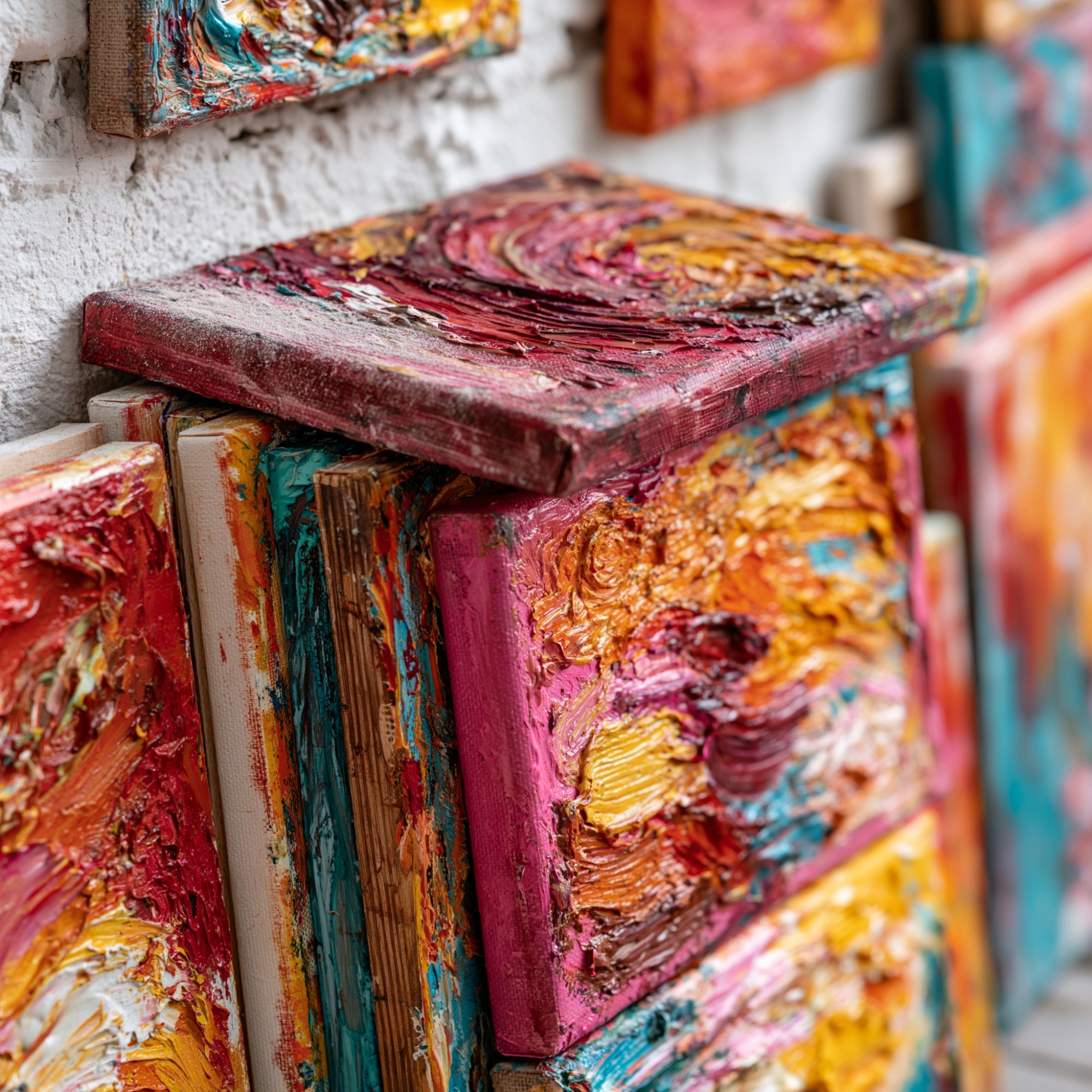
A sponsor rarely says yes because an artist needs help. They say yes because they can clearly see a shared story, a meaningful audience, and a beautiful experience they would be proud to stand behind. Learning how to secure art sponsors begins there: not with a generic request, but with the courage to articulate what makes your work distinct and why the right partnership will matter.
For artists whose work is rooted in nature, travel, culture, or human connection, sponsorship can become more than a line on an exhibition budget. It can help bring a body of work into the world with greater care, reach new collectors, create unforgettable public moments, and connect creative vision with businesses that value beauty and purpose.
Begin With the Story Only You Can Tell
Before approaching a potential sponsor, make the artistic heart of your project visible. A sponsor cannot champion a vague idea. They need to understand what you are making, where the work comes from, who will encounter it, and what people will remember after seeing it.
Start with the emotional truth, not the logistics. Perhaps your new collection was shaped by the bright wing of a rare bird, the quiet strength of a rainforest community, or the texture of a landscape encountered while traveling. Perhaps you are planning an exhibition that brings together artists and audiences around the wonder of biodiversity. Give the project a title, a visual world, and a few sentences that make its spirit easy to feel.
Then add the practical frame. Explain the format of the project, its timeline, venue or destination, expected audience, promotional plan, and the tangible outcome. This may be a gallery exhibition, an immersive art week, a limited-edition collection, a creative workshop, or a traveling installation. The poetry draws attention. The clarity builds trust.
Know What a Sponsor Is Really Looking For
Sponsorship is an exchange of value, not a favor. The strongest partnerships honor both sides. A hotel may want to offer guests a cultural experience that feels local and memorable. A design-led brand may want to be associated with original color, craftsmanship, and thoughtful living. A travel company may value stories that invite people to see a destination with more curiosity and respect.
Ask yourself what your project offers beyond a logo on an invitation. Can it create compelling original content? Can the sponsor host clients or team members at an intimate opening? Will your audience discover their brand in an atmosphere that feels authentic? Could their products become part of the experience in a tasteful, useful way?
The answer will depend on the sponsor. A small independent business may care most about local visibility and personal relationships. An international company may need clear audience data, polished reporting, and a broader campaign calendar. Neither is better. They simply require a different conversation.
How to Secure Art Sponsors by Choosing Alignment
The best sponsor is not necessarily the largest company you can find. It is the company whose values, aesthetic, and audience genuinely meet your own. Misaligned sponsorship can make an otherwise intimate project feel crowded or forced. A thoughtful fit allows the partnership to feel like a natural extension of the artwork.
Build a focused list of potential partners rather than sending the same message to dozens of businesses. Look at boutique hotels, art-friendly hospitality groups, premium travel brands, ethical product companies, creative studios, galleries, design retailers, museums, and businesses with a real connection to the place or theme of your project.
Research each one closely. Notice how they speak, what experiences they create, which communities they serve, and whether they have supported cultural projects before. If your paintings are inspired by a journey through Costa Rica, a hospitality partner with a meaningful presence there may understand the story immediately. If your work celebrates vivid color and craftsmanship, a design brand may be a more natural fit than a company that merely has a large marketing budget.
Aim for a short list of people, not just brands. The right contact might be a marketing director, partnerships manager, community lead, founder, or local general manager. A warm introduction from a collector, curator, venue owner, or fellow artist is valuable because it gives your message context before it arrives.
Create a Proposal That Feels Like an Invitation
A sponsorship proposal should be visually beautiful, concise, and easy to share internally. Think of it as a small exhibition in itself. It should carry your visual language while answering the questions a decision-maker will need to take to their team.
Open with a one-page overview: the project name, a strong image, the central idea, dates, location, and the audience you hope to welcome. Follow with a short artist statement and a section on why the project is relevant now. Keep the language personal and specific. Avoid abstract promises such as “maximum exposure.” Show what the experience will actually look and feel like.
Include your audience profile, even if it is still growing. Share the size and quality of your mailing list, social following, collector relationships, previous attendance, media interest, or professional network. For emerging artists, a smaller but engaged community can be more convincing than inflated numbers. If you have images from past exhibitions, testimonials from visitors, or examples of press coverage, include only the strongest few.
Offer clear partnership options. A sponsor may contribute financial support, provide a venue, offer accommodation, assist with printing, host a gathering, or supply a service that strengthens the project. Describe what each level of partnership receives, such as event recognition, invitation access, co-created content, product placement, or a private art experience. Make these benefits tangible, but protect the integrity of the work. The art should remain the center of the room.
Make the First Approach Personal
Your first email does not need to contain every detail. Its purpose is to begin a relevant conversation. Mention a specific reason you chose the company, introduce the project in two or three vivid sentences, and ask whether they would be open to receiving a short proposal or having a brief call.
A personal note might refer to a hotel’s support for local makers, a brand’s commitment to timeless design, or a recent campaign that connects naturally with your project. This shows that you are proposing a relationship, not distributing a template.
After sending the proposal, follow up once after about a week, then again only if there is a meaningful update such as a confirmed venue, new artwork, or a media opportunity. Persistence matters, but pressure does not. Many good partnerships come together slowly because budgets and schedules are planned months in advance.
Give Sponsors a Reason to Stay Close
Once a sponsor agrees, communication becomes part of the art of partnership. Confirm every detail in writing: the contribution, deadlines, visibility, approval process, usage of images, hospitality arrangements, and how success will be measured. Clear agreements preserve warmth and prevent assumptions.
During the project, share moments that help the sponsor feel included. A photograph of work being installed, a glimpse of the creative journey, or a thoughtful note after an opening can deepen the relationship. Keep recognition elegant and proportionate. When a sponsor has joined because they believe in the project, they want to be part of its story, not overpower it.
Afterward, prepare a short, polished report with images, attendance or reach where available, notable feedback, and a sincere reflection on what the partnership made possible. This is not just administration. It is the beginning of the next conversation.
Art-To-Protect has shown how creative travel, original work, and carefully shaped experiences can bring artists and partners into a shared field of wonder. Whether your project takes place in a gallery, a hotel courtyard, or beneath the rich green canopy of a faraway landscape, the same principle holds: invite sponsors into something true.
The right partnership does not dilute your vision. It gives that vision more room to breathe, travel, and touch the people it was made for.