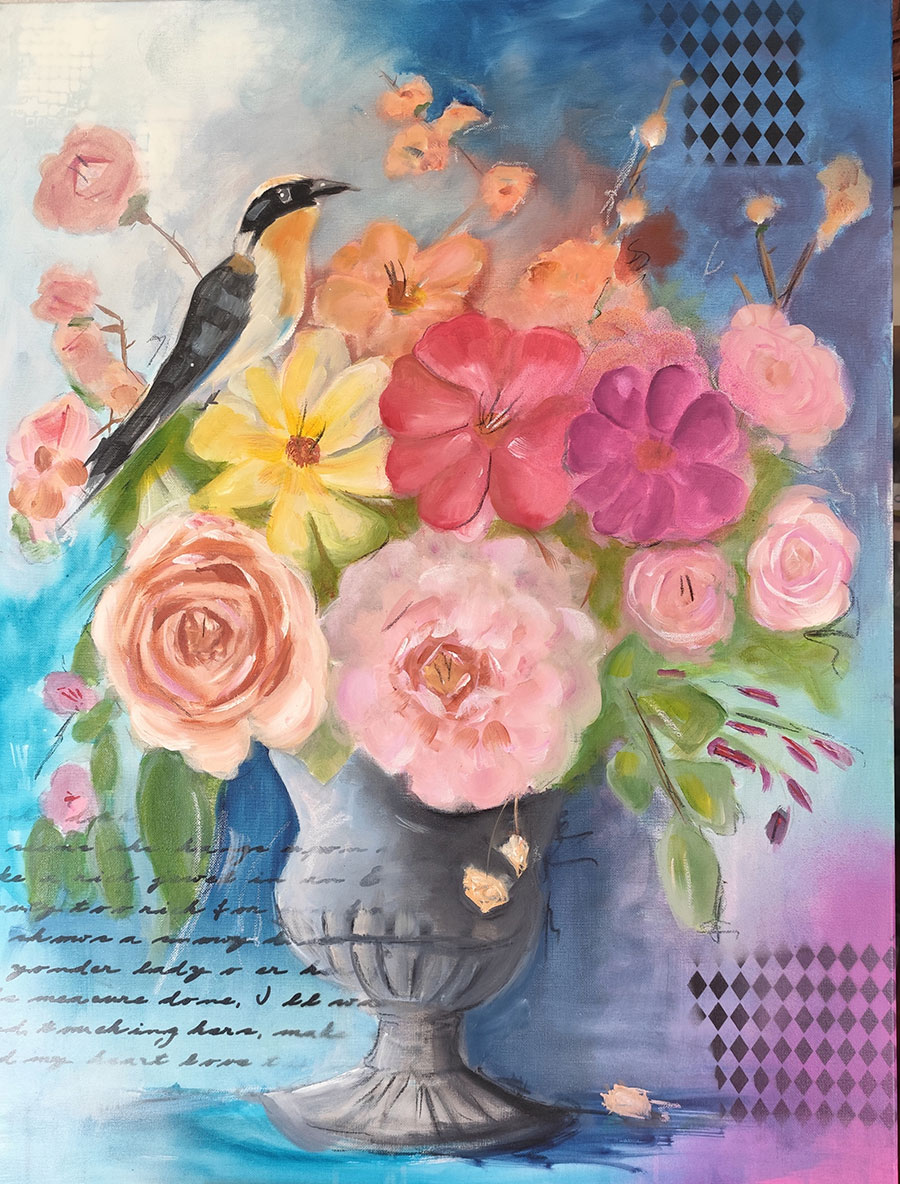
A modern room can be beautifully designed and still feel like nobody has truly arrived in it. The sofa is right, the lighting is right, the palette is calm – yet the space stays quiet in the wrong way. This is where statement art for modern home interiors changes everything. One piece with presence can turn a polished room into a lived, felt, remembered place.
Modern homes often lean on clean lines, open space, and restraint. That clarity can be stunning, but it also asks more from the artwork inside it. Art is not there to fill a blank wall. It is there to create a pulse. It brings emotion into architecture, story into simplicity, and a human signature into rooms that might otherwise feel carefully finished but spiritually distant.
What statement art for modern home really means
Statement art is not simply big art, loud art, or expensive art. A statement piece is work that shifts the energy of a room the moment you see it. It holds attention. It creates a point of emotional gravity. Sometimes that happens through scale, but just as often it happens through color, texture, subject, or a feeling that is hard to explain and impossible to ignore.
In a modern home, that role becomes even more meaningful. Minimal interiors leave more visual breathing room, so the art has space to speak clearly. A painting with expressive color, a wildlife portrait with intensity, or an abstract work that carries movement can bring warmth to hard edges and softness to structured design.
The best statement art does not shout over the room. It gives the room a soul.
Why modern spaces need art with emotional weight
There is a common mistake in modern decorating: choosing art that is so safe it disappears. Neutral walls get paired with neutral prints, and beautiful rooms begin to resemble hotel lobbies rather than personal sanctuaries. Calm matters, but calm is not the same as emptiness.
Statement art works because it introduces tension in the best sense. A refined interior gains depth when a bold painting enters the scene. Smooth surfaces come alive beside visible brushwork. A restrained palette becomes more elegant when one artwork carries ochre, indigo, clay, forest green, or a sudden note of coral.
This contrast creates feeling. And feeling is what people remember.
For collectors and thoughtful home decorators, the appeal goes deeper than visual impact. Art with emotional weight reflects identity. It can carry memories of travel, a love for nature, reverence for cultural beauty, or a longing for freedom and wonder. That is why one person feels instantly drawn to a portrait, while another feels held by an abstract landscape. The right piece does not only match the room. It meets something within the person living there.
How to choose statement art without overwhelming the room
A modern space benefits from confidence, but confidence and excess are not the same thing. The strongest statement pieces are often chosen with a clear sense of balance.
Start by asking what the room needs emotionally, not just visually. Does the space feel cold? Too formal? Too predictable? A painting can answer that. If a dining area feels elegant but distant, art with warmth and story can make it more inviting. If a bedroom feels flat, a piece with softness and movement can create calm without becoming generic.
Scale matters, of course. In many modern homes, undersized art is a bigger problem than oversized art. A large wall asks for courage. One substantial piece often feels more grounded and luxurious than several smaller ones competing for attention. Still, there are moments when a collection works better, especially in commercial settings or larger architectural projects where rhythm across multiple walls is needed.
Color should be approached with sensitivity rather than fear. You do not need to pull every shade from the rug or sofa. In fact, art often feels stronger when it introduces a note the room did not know it needed. The key is resonance. Even vivid work can belong in a quiet room if its mood aligns with the atmosphere you want to create.
Then there is subject matter. Abstract statement art offers freedom and openness. It can bring movement, mystery, and spaciousness to contemporary interiors. Figurative or nature-led work brings a more direct emotional connection. A powerful animal portrait, a face filled with tenderness, or a landscape inspired by wild places can create an immediate human bond. Neither is better. It depends on whether you want the room to feel contemplative, intimate, energizing, or grounded.
The materials and texture make a difference
One reason original paintings feel so transformative in modern interiors is texture. A real painted surface catches light differently throughout the day. It shifts with morning brightness, soft afternoon shadow, and evening lamplight. That changing presence gives a room life.
Prints can also be deeply beautiful, especially when the image itself has strength and emotional clarity. They offer an accessible way to bring meaningful art into the home, and in many spaces they are exactly the right choice. The difference is not about worth. It is about experience. Originals often bring a tactile intimacy, while prints can bring flexibility, reach, and ease.
For homes with sleek finishes such as concrete, glass, pale wood, brushed metal, or plaster, painterly texture becomes especially valuable. It softens the environment. It reminds the eye that the room is inhabited by feeling, not only design decisions.
Where statement art has the strongest impact
The obvious answer is the living room, and yes, that space often benefits most from a central piece with presence. But some of the most affecting placements are less expected.
In an entryway, statement art sets the emotional tone of the home within seconds. It tells guests, and perhaps tells you too, that this space has a point of view. In a bedroom, one soulful work can create a sense of refuge more effectively than layers of decor ever could. In a dining room, art can make conversation feel richer. In a home office, it can restore imagination to a space otherwise governed by screens and tasks.
For interior designers working on hospitality or real estate projects, statement art can also shape brand feeling. Larger-scale abstract collections, especially those with expressive color and cohesion, help commercial spaces feel elevated rather than anonymous. The artwork becomes part of the atmosphere clients remember.
The modern home does not need less feeling – it needs better feeling
Some people hesitate before buying statement art because they worry about making the wrong choice. They think a major piece should be universally appealing, endlessly flexible, impossible to regret. But the most memorable homes are rarely built on universal choices. They are built on honest ones.
That does not mean every bold piece belongs in every room. There are trade-offs. Art with heavy intensity may be too much for a space meant for rest. Highly decorative work may lose its power in a room already full of pattern and visual activity. A deeply personal piece might not suit a commercial environment that needs broader appeal. Context matters.
Still, modern interiors are often at their best when they welcome a piece that carries conviction. Not perfect coordination. Not trend-driven polish. Conviction.
That is where statement art becomes more than a finishing touch. It becomes a way of living with beauty that has meaning. A reminder of wild places, tenderness, color, courage, memory. A room can be modern and still deeply human. In fact, that is when it becomes unforgettable.
At Bijsterbosch Art, this is the quiet power art is asked to hold – not just to decorate a wall, but to create peace, curiosity, and connection each time you enter the room.
If you are choosing statement art for a modern home, trust the piece that makes the space feel more awake, more honest, and more like your life has truly entered it.