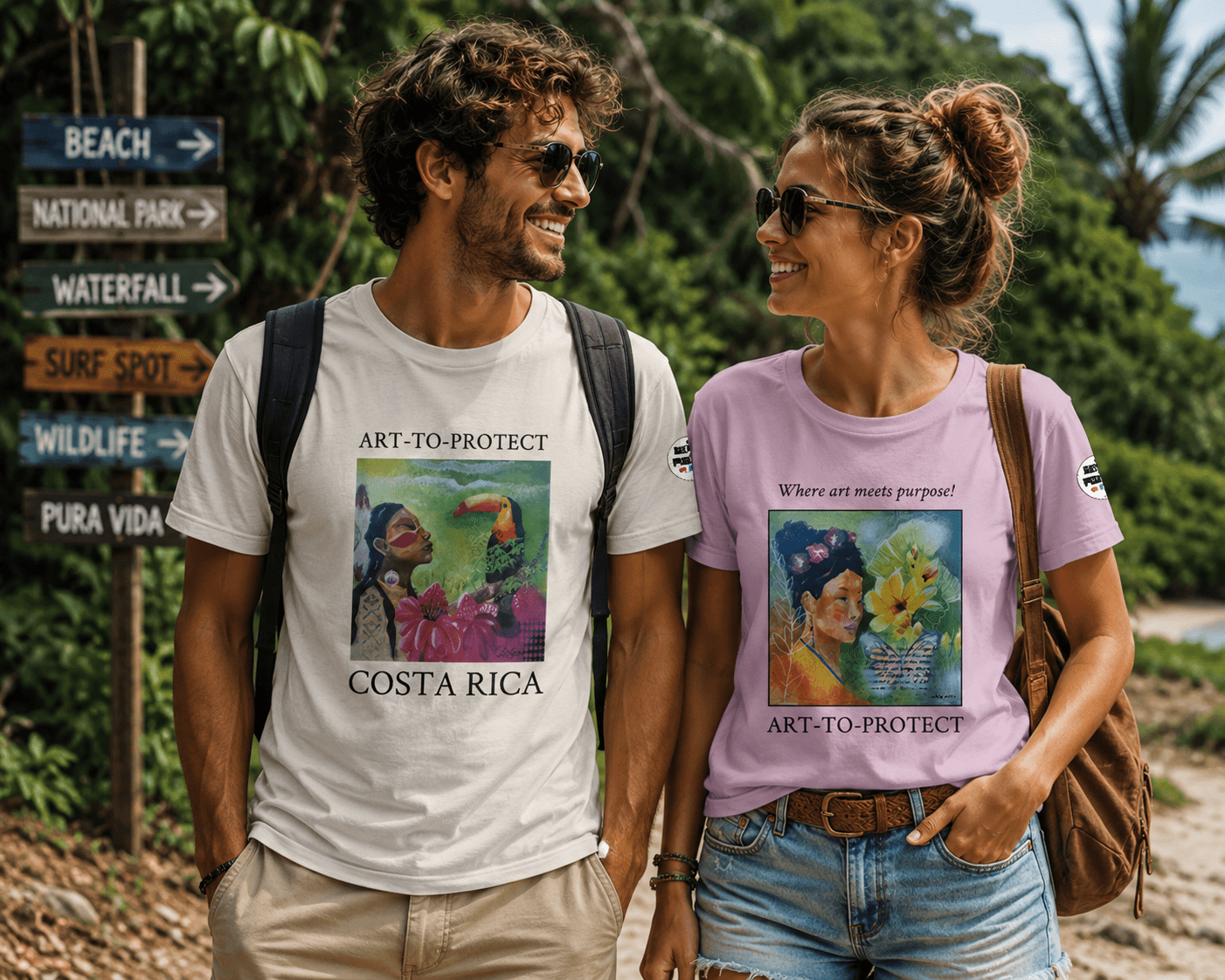
A fundraiser can end in one evening. A meaningful object can continue its work for years. Sustainable fundraising merchandise gives supporters something more lasting than a receipt: a daily reminder of a forest protected, a species defended, a community heard, or a creative journey shared.
For organizations working to protect biodiversity and Indigenous communities, the question is not simply what can be sold. It is whether an item can honor the story behind the cause. The most meaningful merchandise invites people into that story through beauty, usefulness, and a clear sense of responsibility.
Why sustainable fundraising merchandise matters
Too much campaign merchandise is made quickly, shipped far, and forgotten soon after an event. A tote bag, T-shirt, notebook, or accessory may raise money in the moment, yet lose its meaning when it has no connection to the mission, no lasting quality, and no transparency about how it was made.
Sustainability changes the conversation. It asks an organization to consider the full life of an item: the materials that enter it, the hands that make it, the distance it travels, the way it is packaged, and whether someone will truly keep using it. This is not about perfection. Every physical product has an environmental footprint. It is about making choices that reduce harm while making the fundraising purpose more visible and more credible.
When artwork is part of the process, merchandise can become a small messenger. A vivid image of wildlife, an expressive landscape, or a pattern inspired by a place can awaken curiosity. It can create a quiet moment of connection between the person carrying the item and the living world the nonprofit exists to protect.
Begin with a story, not a product list
The strongest fundraising merchandise starts with one clear story. Perhaps the nonprofit is restoring a threatened habitat, supporting Indigenous-led stewardship, protecting sea turtles, or funding education for young conservation leaders. The merchandise should grow from that living purpose rather than being chosen from a generic catalog.
Ask what image, feeling, or truth people should carry away. Is it the courage of a woman protecting her ancestral forest? The bright intelligence of a bird found nowhere else? The feeling of standing beneath an ancient canopy, aware that its survival is not guaranteed? A product gains emotional weight when it makes the mission tangible.
Original art can be especially powerful here. It does not need to explain every fact about a campaign. Its role is to create an opening: wonder first, then understanding. A thoughtfully designed item gives people a way to begin conversations about the cause in their own communities.
For Art-To-Protect, art becomes a bridge between creative expression and long-term care for the natural world. That bridge works because the image is not decoration added at the end. It is part of the invitation to see, feel, and act.
Choose materials with honesty and care
Material choices matter, but labels can be misleading when they are treated as shortcuts. Organic cotton, recycled paper, recycled metals, plant-based inks, and responsibly sourced wood can be better options. Yet the right choice depends on the item, its expected lifespan, the supplier’s practices, and the shipping involved.
A durable organic cotton bag that is used weekly may have more value than a cheaper bag that tears after two outings. A recycled-paper journal can be a thoughtful choice when it has a practical purpose and does not require layers of unnecessary packaging. For a limited event, a digital art booklet or downloadable creative resource may create impact with far fewer materials than a physical giveaway.
Avoid vague claims such as “eco-friendly” when there is little information behind them. Supporters deserve clarity. Name the material where possible, explain why it was chosen, and be open about what is still being improved. Honest communication builds more trust than a perfect-sounding promise.
Make less, and make it worth keeping
One of the most sustainable decisions is to avoid overproduction. A warehouse full of unsold merchandise represents tied-up funds, wasted materials, and a campaign message that has lost momentum. Small initial runs, pre-orders, and made-to-order approaches can reduce this risk.
This may require patience. Pre-orders can mean that supporters wait longer, and small production runs sometimes cost more per item. But this trade-off can be worthwhile when it prevents waste and protects funds for the nonprofit’s core work. People who care deeply about a mission often understand that thoughtful production takes time.
Quality is equally important. An item should feel considered in the hand. It should have a purpose beyond the fundraiser and a design people will want to live with over time. The goal is not to create more things. It is to create fewer things with a stronger reason to exist.
Build fair partnerships behind the scenes
Sustainable merchandise is also about people. If a campaign draws inspiration from a particular culture, landscape, or community, the relationship must be respectful and specific. Inspiration should never become extraction.
Whenever possible, work with makers, artists, and suppliers whose knowledge and labor are valued fairly. If Indigenous stories, symbols, or creative traditions are involved, seek consent, give proper credit, and establish benefit-sharing practices that are meaningful rather than symbolic. Some stories are not meant for commercial use at all. Respecting that boundary is part of ethical fundraising.
For nonprofit leaders, this may mean asking more questions before placing an order: Who made this? Where were the materials sourced? Are workers paid fairly? Can the supplier explain its environmental standards? Is there a local or regional production option? The answers may not always be simple, but the questions signal the kind of future an organization is helping to create.
Let the impact be easy to understand
Merchandise becomes more compelling when its financial role is clear. People do not need an elaborate report on a product tag, but they do need to know what their participation helps make possible.
Be specific when you can. Explain whether a percentage of each sale supports a program, whether proceeds contribute to a particular conservation goal, or whether the merchandise funds unrestricted work where it is most needed. If an event includes artwork created during a shared experience in nature, explain how revenue will support the partner organization after the event has passed.
A simple impact statement can transform an object into a gesture of solidarity. It also keeps fundraising accountable. The emotional pull of art is powerful, but it should be paired with clarity about where the money goes and why the need is urgent.
Design for use, repair, and a second life
A thoughtful product plan considers what happens after the first owner is finished with an item. Can a fabric piece be repaired? Can paper packaging be recycled? Can a display banner be reused at future events? Can leftover materials become small editions, workshop supplies, or thank-you cards rather than waste?
This mindset invites creativity. Event signage can be designed in panels that are updated rather than discarded. Shipping materials can be minimal and reusable. A seasonal campaign can return to one visual language over time, allowing each new piece to feel connected rather than disposable.
Not every item needs to be physical. Tickets to an art gathering, a guided creative workshop, or a digital field journal can generate funds while offering a memory, skill, or shared experience. For some causes, these options may be the most aligned choice of all.
A beautiful object can keep a promise alive
The purpose of sustainable nonprofit fundraising merchandise is not to turn care for the planet into another shopping habit. It is to make participation visible, useful, and enduring. When an object is created with respect for nature, culture, labor, and storytelling, it can hold more than a logo. It can hold a promise.
Choose the piece that best expresses the soul of the mission. Make only what can be made with care. Tell the truth about its journey. Then let art do what it has always done: help people feel close to a world worth protecting, and brave enough to protect it together.