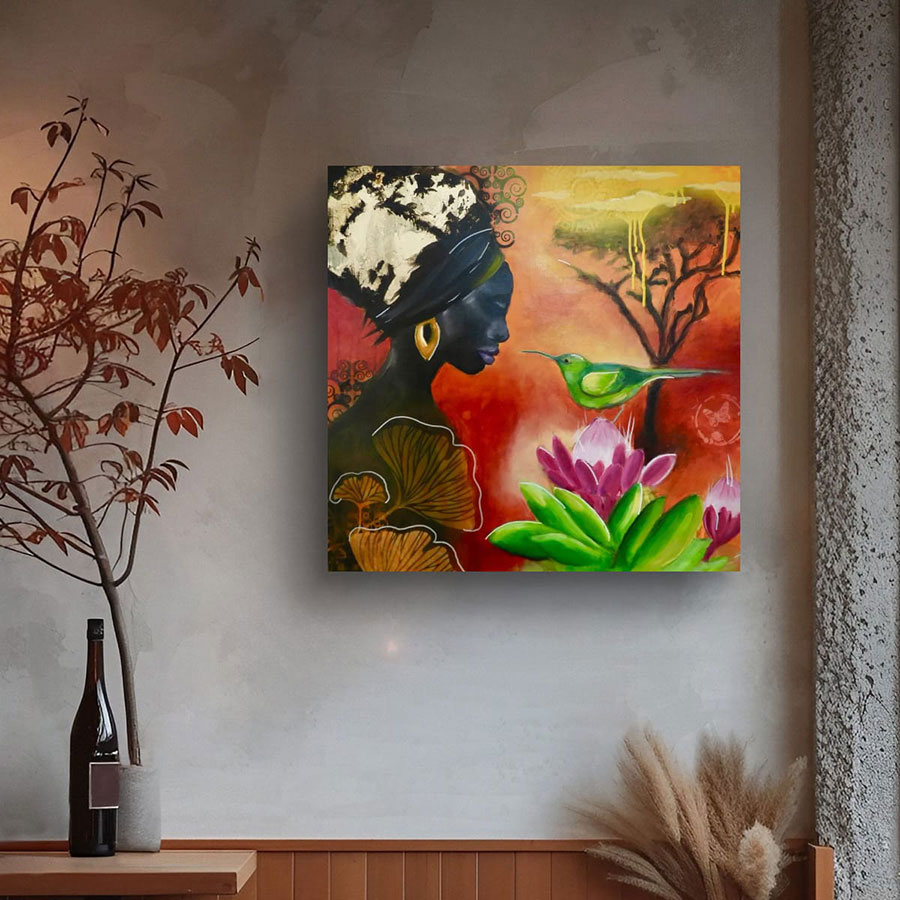
A visitor pauses in a museum shop, zoo boutique, or destination gallery because a design catches their eye: a sea turtle in vivid ink, a rainforest bird rendered in watercolor, a map that recalls a journey. The best conservation fundraiser products turn that moment of admiration into a meaningful choice. They give people something beautiful to take home while creating visible support for the wildlife, places, and communities that inspired it.
For retailers and conservation organizations, the goal is not simply to add a donation message to an ordinary souvenir. It is to create a connection that feels real. A well-chosen product carries a story, fits naturally into a customer’s life, and makes the act of giving feel personal rather than transactional.
What Makes a Conservation Product Worth Buying?
A strong fundraising product begins with a simple question: why would someone want this even before they know it supports a cause? The answer might be original artwork, practical everyday use, a memorable sense of place, or the pleasure of giving a thoughtful gift. Purpose strengthens the purchase, but quality and emotional resonance invite it in the first place.
The most successful collections bring together three elements: a compelling design, a clear connection to conservation, and honest communication about impact. A scarf inspired by monarch migration, for example, can open a conversation about habitats and seasonal journeys. A notebook featuring a threatened species can become a daily reminder that nature is not distant. The product does not need to explain everything. It simply needs to give the story a place to begin.
Authenticity matters here. Artwork should be credited, species and cultural references should be treated with care, and the conservation connection should be specific enough to understand. If a portion of proceeds supports a partner, say so clearly. When customers can see the relationship between art, product, and purpose, they are more likely to feel proud of their purchase and share its story with others.
Best Conservation Fundraiser Products for Lasting Impact
The right mix depends on your location, visitor profile, price range, and available display space. An airport store may need lightweight gifts that travel well, while a botanical garden shop may have room for a richer selection of home goods and art prints. Still, a few categories consistently create opportunity because they combine usefulness, gift appeal, and visual storytelling.
Wearable art people can carry into the world
Tote bags, scarves, socks, caps, and artist-designed apparel are powerful fundraising products because they remain visible long after a visit or event. They can introduce a conservation story to new audiences at a farmers market, on a campus, or during a trip abroad.
Wearables work best when the design stands on its own. A bold animal illustration or a pattern inspired by a local landscape feels more like a piece of wearable art than a promotional item. Consider seasonality, sizing, and fabric choices before committing to apparel. A tote bag or scarf often offers broader appeal and simpler inventory management than a size-dependent garment.
Paper goods that invite reflection
Art cards, postcards, journals, calendars, sketchbooks, and stationery sets offer an accessible entry point for customers of every age. They are especially valuable in museum shops, galleries, visitor centers, and fundraising exhibitions because they extend the experience of looking closely at art.
Paper products also make excellent gifts. A card can carry a message of care to someone else, while a journal can become a place for travel memories, field notes, or creative ideas. Their lower price point helps welcome first-time supporters, although retailers should balance them with higher-value pieces to create a complete collection.
Home and table pieces with a sense of place
Mugs, tea towels, coasters, trays, art prints, and small decorative objects help people live with the stories they care about. A well-made mug featuring an endangered species can become part of a morning ritual. An art print can preserve the feeling of a remarkable landscape long after a journey ends.
These products often perform well when they feel connected to a destination or collection theme. A Costa Rican rainforest series, a Madagascar wildlife collection, or artwork inspired by coastal ecosystems can invite visitors to remember what they saw and learned. The trade-off is practical: breakable or bulky goods require thoughtful packaging, shipping, and display planning. Their perceived value, however, can make that care worthwhile.
Small gifts with a generous spirit
Pins, magnets, keychains, patches, bookmarks, stickers, and ornaments are ideal for school groups, families, event guests, and impulse purchases near checkout. They are not the whole fundraising strategy, but they play an important role. Small products let more people participate, especially when a larger original artwork or premium gift is beyond their budget.
The strongest small gifts avoid looking disposable. Original illustration, tactile materials, a useful function, or thoughtful packaging can turn a modest item into a keepsake. A beautifully designed bookmark featuring a threatened bird, paired with a short story about its habitat, can create a more lasting impression than a generic logo item.
Limited editions and collectible art
For galleries, museums, donor events, and fundraising exhibitions, limited-edition prints, signed art books, collectible ornaments, and special artist collaborations can build deeper engagement. These products recognize that some supporters are looking for more than a souvenir. They want to collect work that reflects their values and helps tell a bigger story.
Limited editions require careful planning around production, artist agreements, and audience expectations. They may sell in smaller quantities, but they can generate meaningful revenue and bring distinction to a campaign. They also give artists a visible role in the conservation movement, honoring the creative vision behind each collection.
Build a Collection, Not a Table of Random Merchandise
A fundraiser is more memorable when products feel like chapters of the same story. Start with a clear theme: a species, a habitat, a destination, a seasonal migration, or the work of a conservation partner. Then choose a range of products that lets different visitors participate at different levels.
A thoughtful collection might include an affordable postcard or pin, a mid-range journal or tote, and a premium art print or scarf. This creates natural choices without overwhelming shoppers. Each item should share a recognizable visual language, whether that comes from one artist, a coordinated palette, or a shared narrative.
For ART-TO-PROTECT, this approach reflects a simple belief: art can create a bridge between the wonder people feel for a place and the practical support that helps protect it. Products become more meaningful when they honor both the artist’s perspective and the living world that inspired the work.
Make the Impact Easy to Understand
People want to know that their purchase matters, but they do not need a complicated report at the register. A concise message on a product tag, shelf sign, or event card can explain what the collection celebrates and how proceeds contribute to conservation work.
Be precise without overpromising. If profits are shared with a conservation partner, communicate that in plain language. If a collection supports biodiversity education or community-led conservation, name the focus. When details vary by product or campaign, train staff and volunteers to explain the story consistently.
Visual storytelling helps. Pair products with a small image of the species, landscape, artist, or partner project that inspired them. This is especially effective when visitors have just encountered that wildlife in a zoo, aquarium, garden, or natural destination. The object becomes a continuation of the experience, not an afterthought beside the exit.
Choose Products That Respect People and Planet
Conservation fundraising is strengthened when the product itself reflects mindful choices. Durable materials, responsible packaging, manageable shipping weight, and useful design all help reduce waste and increase long-term value. Perfection is rarely possible, especially across international production and retail needs, but thoughtful decisions build trust.
It also helps to consider cultural storytelling with respect. When a collection is inspired by indigenous communities, local traditions, or a specific place, collaboration and proper attribution are essential. The most moving products celebrate cultural knowledge as living, creative, and connected to place, rather than treating it as decoration.
Before placing an order, ask practical questions: Will this item travel well? Is it easy for staff to display? Does the price match the audience? Can the story be shared in a sentence? And will customers still enjoy it years from now? The answers will guide you toward products that serve both the mission and the customer.
A beautiful fundraiser product does more than raise money at the moment of sale. It travels into homes, gift exchanges, creative spaces, and future conversations. When art, place, and purpose meet in one meaningful object, every purchase can become a quiet invitation to notice more, care more, and help protect what makes our world extraordinary.