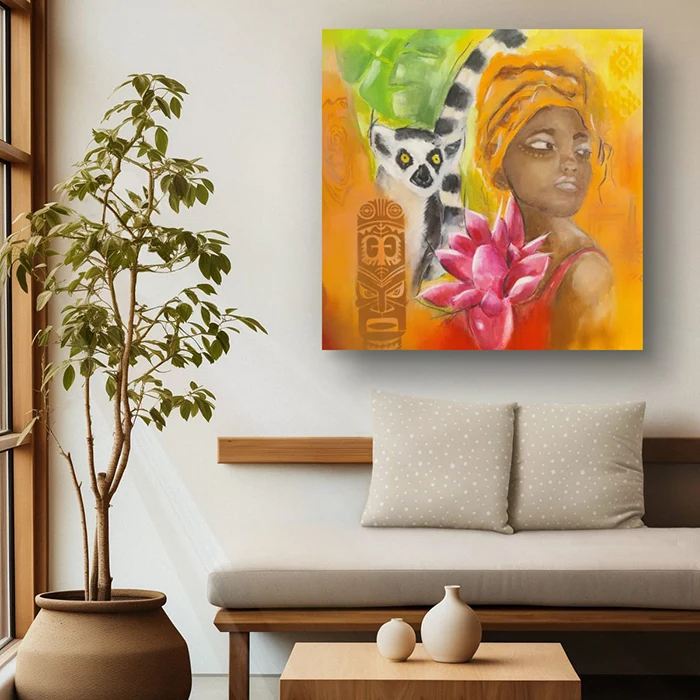
A painting of a sea turtle can be lovely. But when you know it was inspired by a coastal journey, a nesting beach, and the people caring for that shoreline, it becomes something more personal. Art with a story gives us a reason to pause. It carries a sense of place into our homes, reminds us of what we have seen or hope to see, and can turn everyday beauty into a quiet expression of what we care about.
For collectors, travelers, gift buyers, and retailers, that added meaning matters. We do not only choose art because of its colors or composition. We choose it because something in it feels familiar, moving, hopeful, or true. A meaningful work can hold the memory of an encounter with wildlife, the atmosphere of a distant landscape, or admiration for a culture and its creative traditions.
What Makes Art With a Story Different?
Every artwork begins somewhere. It may begin with an artist watching hornbills move through a Malaysian forest, tracing the patterns of a butterfly wing, or remembering the vast stillness of a Costa Rican rainforest. It may begin with a conversation, a journey, a childhood fascination, or a desire to celebrate a species whose presence makes an ecosystem richer.
That origin gives an artwork depth. The story does not have to be complicated, and it should never be invented merely to sell an object. The strongest stories are honest: this place inspired the artist; this animal revealed a surprising detail; this collection supports a shared purpose. When the connection is real, people can feel it.
This does not mean art needs an explanation to be worthy. Some works speak through color, shape, texture, or mystery alone. Yet a story can create an inviting doorway, especially for someone who is new to collecting art. It offers a way into the work without telling the viewer exactly what to feel.
A Story Leaves Room for Your Own Meaning
The best art stories are not fixed labels. They invite a relationship. A traveler may see an illustration of a jaguar and remember a wildlife encounter. A child may be drawn to its bright eyes and begin asking questions about rainforest animals. A collector may appreciate the artist’s use of line and color before discovering the conservation purpose behind the collection.
Each response is valid. The artist brings an original vision, but the person who lives with the piece adds another chapter. Over time, a print on a wall, a scarf worn on a meaningful trip, or a carefully chosen gift can become part of a family’s own story.
From Inspiration to Connection
Art helps us notice what familiarity can sometimes hide. It asks us to look again at the curve of a leaf, the intelligence in an elephant’s gaze, the markings of a frog, or the human care behind a protected landscape. That act of attention is valuable. We are more likely to value what we understand, and more likely to protect what we have learned to love.
For nature-inspired artists, observation is often the beginning of respect. Creating work about wildlife is not simply about reproducing an animal’s appearance. It is about capturing presence: the alertness of a bird, the elegance of a big cat, the energy of a reef, or the fragile wonder of a small pollinator. The artist translates an encounter into a visual language that can travel far beyond the original place.
This is especially powerful in spaces where people are already open to discovery. Museum shops, zoo stores, galleries, airport retailers, and destination boutiques do more than offer souvenirs. At their best, they extend an experience. A visitor can take home a beautifully made reminder of a place and the curiosity it awakened.
A thoughtful collection also creates opportunities for conversation. Someone may ask where a design came from. That simple question can lead to a story about biodiversity, an artist’s journey, a conservation partner, or the importance of protecting cultural knowledge and natural habitats. Art makes those conversations feel human and accessible.
Choosing Art With a Story for Your Space
Choosing meaningful art is not about following a formula. It is about finding a work that continues to speak to you after the first glance. Start with the feeling you want a room, gift, or retail display to hold. Perhaps you want a sense of adventure, calm, joy, connection to nature, or remembrance of a special journey.
Then look beyond the image itself. Who created it? What inspired it? Is there a place, species, or cultural tradition that shaped the work? If a collection has a stated impact purpose, is that purpose clearly communicated? Transparency is part of meaning. A story is more powerful when it is specific about where support goes and why the partnership matters.
There is also a practical consideration. A dramatic original artwork may become the heart of a room, while a smaller print, textile, notebook, or accessory can bring the same visual story into daily life. Neither choice is lesser. It depends on how you want to encounter the art and what fits your space, budget, and habits.
For a gift, story can be the difference between something pleasant and something unforgettable. A nature lover may cherish a piece inspired by an animal they admire. A frequent traveler may value a design that recalls a destination. A child may receive artwork that opens a lifelong interest in the living world. The most meaningful gifts say, “I saw this and thought of you,” while also offering a new story to explore.
For Retailers, Meaning Creates a Reason to Return
Retail partners face a familiar challenge: visitors want items that feel distinctive, useful, and worth remembering. Products with an authentic artistic story meet that need because they connect design to experience. They give staff something meaningful to share, and they help customers understand why an item belongs in that particular place.
A collection inspired by a local ecosystem, a beloved species, or a destination’s creative identity can enrich the visitor experience without overwhelming it. Clear storytelling at the point of purchase is often enough: a short artist introduction, the origin of the design, and a transparent explanation of how the collection contributes to a larger purpose.
The balance matters. Story should support the artwork, not bury it under claims or instructions. People still want beautiful products, excellent quality, and designs they are proud to bring home. Purpose works best when it is woven naturally into the experience, like a detail that becomes more meaningful each time it is noticed.
When Art Becomes a Small Act of Care
A purchase cannot solve every challenge facing wildlife, ecosystems, or communities. But it can be part of a wider circle of support when it is connected to responsible partnerships and real action. It can help artists share their work, help retailers offer purpose-driven choices, and help conservation organizations continue valuable local efforts.
That is the hopeful role of art. It does not ask everyone to be an expert. It invites people to care, to learn, and to participate in a way that feels tangible. A design inspired by Madagascar’s extraordinary biodiversity or the lush life of Costa Rica can carry curiosity across borders and into ordinary moments at home.
At ART-TO-PROTECT, this belief sits at the heart of every collection: art can celebrate the beauty of our planet while helping direct attention and support toward the people, wildlife, and places that make it extraordinary. The work begins with creativity, but its purpose reaches further.
The next time a piece of art catches your eye, stay with it for a moment. Ask what it remembers, what it celebrates, and what it might inspire in you. A meaningful artwork does not simply fill a space. It can keep wonder close, turn memory into connection, and remind us that beauty is often the beginning of care.