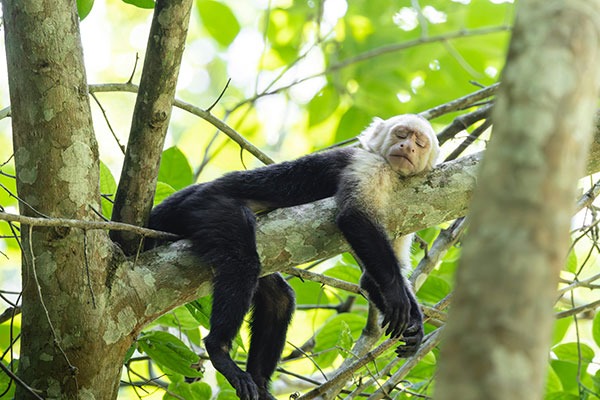
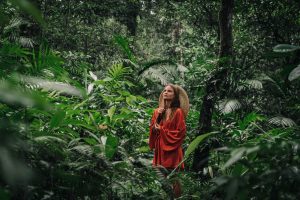
 A field sketch made beneath a rainforest canopy carries more than color and line. It holds the rhythm of rain on leaves, the call of unseen birds, and the feeling of standing inside a living landscape far larger than ourselves. The best destinations for artist expeditions are not simply beautiful places to visit. They are places that invite close attention, encourage cultural exchange, and remind us that creativity can deepen our care for the natural world.
For artists, an expedition can become a source of new work, new partnerships, and a more honest way of seeing. For travelers and collectors, it can create art with a story worth carrying home. The destination matters, but so does the spirit in which we arrive: curious, prepared, respectful, and ready to listen.
What Makes a Destination Worthy of an Artist Expedition?
The most meaningful creative journeys offer more than a dramatic view. They bring together distinctive ecosystems, strong local knowledge, accessible places to work, and opportunities to support the communities protecting the region’s cultural and natural heritage.
A city may be ideal for an artist drawn to architecture, craft traditions, and everyday human stories. A remote coastal reserve may better suit a wildlife painter or photographer who works slowly, returning to the same shoreline at changing tides. There is no single formula. The right expedition depends on your medium, your pace, and the relationships you hope to build.
Before choosing a location, consider practical realities such as weather, travel impact, permit requirements, safety guidance, and the need for local guides. When visiting Indigenous territories or community-managed landscapes, seek permission, follow local protocols, and make space for people to share their own stories in their own words. Respect is not an extra part of the creative process. It is part of the work.
7 Best Destinations for Artist Expeditions
1. Costa Rica’s Cloud Forests and Pacific Coast
Costa Rica offers an extraordinary meeting point of rainforest, volcanic terrain, cloud forest, and coast. For artists, that variety creates a rich visual language: bromeliads holding rainwater, mist-softened mountain ridges, scarlet macaws, sea turtles, and the shifting greens of dense forest.
The country is especially rewarding for artists interested in biodiversity and conservation storytelling. Spend time observing rather than trying to capture everything at once. A series of small sketches of leaf forms, insect wings, cloud movement, or animal tracks can become the foundation for a collection with far more depth than a single scenic painting.
Work with naturalist guides and local conservation partners where possible. Their knowledge can help transform a beautiful encounter into a more informed artistic response.
2. Madagascar’s Living Palette
Madagascar feels like an invitation to look again. Its landscapes move from baobab avenues and dry forests to highlands, mangroves, and lush eastern rainforests. Its wildlife and plant life offer forms, colors, and patterns that can feel almost imagined, yet each belongs to a complex and irreplaceable ecosystem.
This is a destination for patient observation. Rather than approaching the island as a checklist of rare sights, let an expedition follow one theme: the graphic silhouette of baobabs at sunset, the texture of forest leaves, the expressions and movement of lemurs seen from a respectful distance, or the relationship between people and place.
Because travel logistics can be demanding, a Madagascar expedition benefits from careful planning and trusted local expertise. The reward is creative material that feels deeply rooted in place, rather than borrowed from it.
3. Malaysia’s Borneo Rainforests
In Malaysian Borneo, the rainforest is not a backdrop. It is a world of layers: river reflections, giant trees, orchids, butterflies, birds, and the quiet work of people who know the forest intimately. For illustrators, textile designers, photographers, and surface-pattern artists, this abundance can inspire an entire visual vocabulary.
The strongest creative approach here is often detail. Study the repeat patterns in palm leaves, bark, feathers, and flowing water. Notice how a single shade of green changes under morning sun, rain clouds, and twilight. These intimate observations can translate beautifully into artworks and products that encourage people to look more closely at biodiversity.
Choose experiences that are guided responsibly and allow time for reflection. A rushed itinerary may produce photographs, but a slower journey is more likely to produce meaningful art.
4. The Desert Landscapes of the American Southwest
The American Southwest offers a different kind of richness: wide horizons, sculptural rock formations, luminous skies, and a powerful sense of time. The colors can appear simple at first – ocher, rust, violet, sage, and blue – yet they shift constantly with the sun.
This is a compelling destination for painters, printmakers, and photographers who are drawn to form, shadow, and visual restraint. The desert asks artists to edit. A single ridge line or weathered stone can hold enough presence for a complete composition.
Many places in this region have deep cultural significance. Visit with care, learn the specific guidelines of each site, and avoid treating sacred or culturally important places as props. Let the landscape teach patience and humility, not just composition.
5. Iceland’s Coastlines and Volcanic Fields
Iceland can make even familiar creative habits feel new. Black-sand beaches, glacial rivers, moss-covered lava fields, waterfalls, and long summer light create an atmosphere that is spare, elemental, and full of motion.
For artists working in abstract painting, film, photography, or mixed media, Iceland offers an inspiring study in contrast: black against white, water against stone, stillness against wind. It is also an ideal setting for exploring how weather shapes mood. Bring materials that can withstand damp conditions, and allow your plans to change with the forecast.
Stay on marked paths and follow local guidance, especially in delicate moss landscapes and coastal areas. The most memorable work from Iceland often comes from responding to its conditions rather than trying to control them.
6. Japan’s Inland Sea and Rural Craft Regions
Japan offers artists a layered conversation between landscape, craftsmanship, and daily ritual. Along the Seto Inland Sea and in rural craft regions, quiet harbors, forested hills, ceramics, textiles, paper, and architecture create a setting where tradition and contemporary expression sit side by side.
This destination is especially meaningful for artists who want to study process. Visit galleries, workshops, and small towns with genuine interest in the makers behind the work. Observe how materials are handled, how objects are used, and how seasons influence color and form.
The lesson may not appear immediately in a sketchbook. It may emerge later as a more thoughtful use of texture, negative space, repetition, or handmade detail in your own practice.
7. The Galápagos Islands, Ecuador
The Galápagos Islands invite artists to become observers first. Volcanic shorelines, marine life, birdlife, and clear changes between islands make the archipelago a remarkable place for natural history illustration, field journaling, and visual storytelling.
The experience is best approached with gentleness. Wildlife should never be pursued for an image, and the islands’ rules are designed to protect the very wonder visitors have come to experience. Keep your work light, portable, and focused on noticing behavior, movement, and habitat rather than seeking the perfect close-up.
A field journal can be especially powerful here. Pair sketches with notes on weather, color, sound, and the questions a species or landscape raises. That blend of art and curiosity can later become a collection that helps others feel connected to a world they may never see in person.
Let the Journey Shape the Work
An artist expedition does not need to produce a finished masterpiece on the road. Often, its greatest gift is a deeper store of references: a color remembered from a rainforest at dawn, a conversation with a local guide, a pattern discovered in a shell, or a feeling of responsibility that changes what you choose to create next.
At ART-TO-PROTECT, we believe those moments can travel far beyond the destination. When art carries the stories of wildlife, landscapes, and communities with care, it can invite others to pause, feel, and participate in protection.
Choose a place that moves you, travel with respect, and leave room for wonder. The strongest expedition may not change only your portfolio. It may change the purpose behind every piece you make.