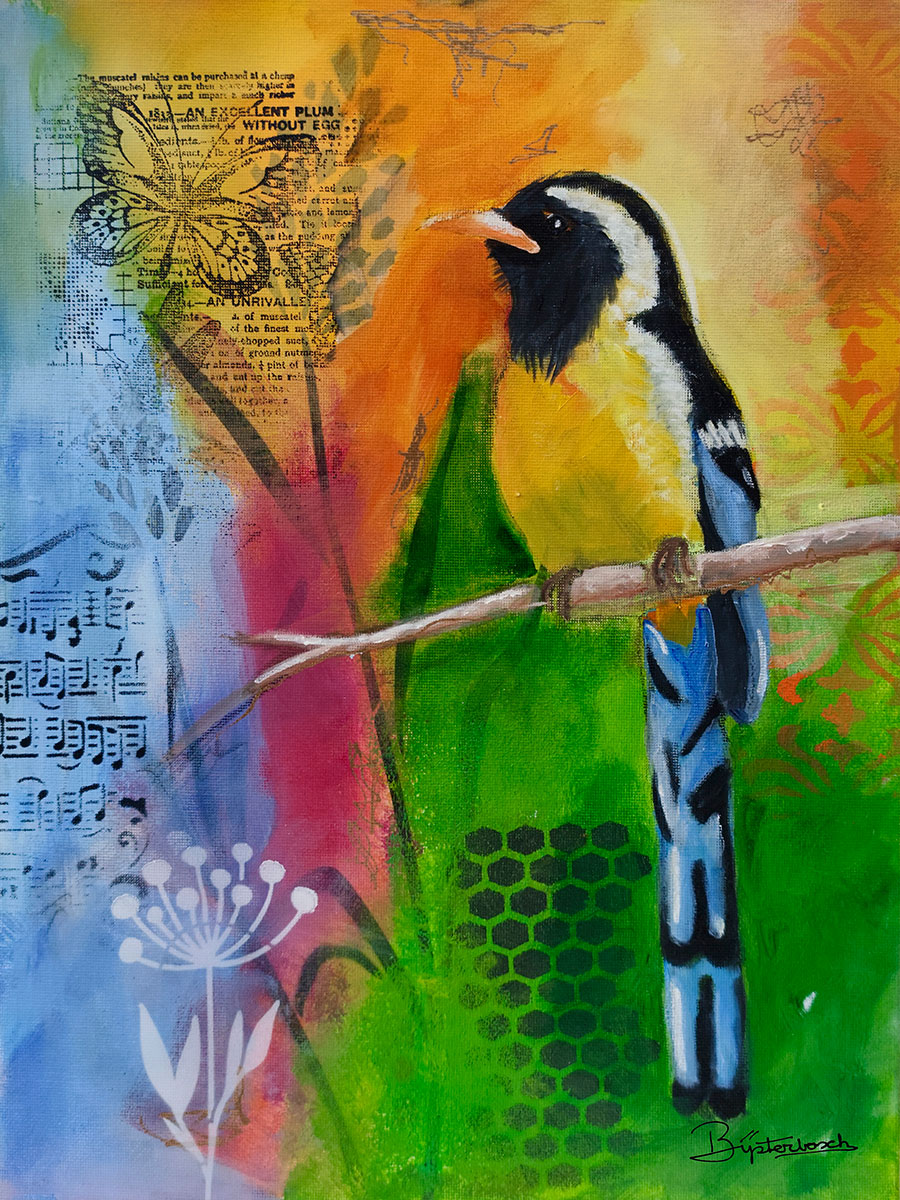
A gift can become part of someone’s daily landscape: a favorite mug beside a morning window, a scarf chosen for a long-awaited journey, a print that brings color and memory to a quiet wall. The most meaningful conservation gifts do more than mark an occasion. They carry a story of wildlife, place, artistic imagination, and the shared care that helps keep extraordinary living worlds close to us.
For travelers, art lovers, and people who feel most themselves outdoors, choosing a gift with purpose is a chance to say something personal. You are not simply giving an object. You are offering a connection – to a species that inspires wonder, a destination that changed someone’s perspective, an artist’s vision, or a community working to care for biodiversity.
Why Conservation Gifts Feel Personal
A memorable present has emotional weight. It reflects the person receiving it and the relationship behind it. Conservation gifts add another layer: a story that continues beyond the moment the wrapping is opened.
A beautifully illustrated notebook can invite someone to record a new adventure. A wildlife print can bring the energy of a rainforest, coastline, or grassland into a home. A thoughtfully designed accessory can become a conversation starter at a museum, in an airport lounge, or around a dinner table. These objects create small, lasting reminders that nature is not distant from our everyday lives.
That is why art matters so deeply in this space. Facts can inform us, but art often helps us feel. It gives form to the pattern of a butterfly wing, the steady gaze of an elephant, the layered greens of a forest, or the spirit of a place remembered after travel. When that creative expression is connected to a genuine conservation purpose, beauty becomes an invitation to participate.
The best choice depends on the recipient. A collector may value a limited-edition art piece and the story of the artist behind it. A young nature lover may respond to colorful stationery, apparel, or an illustrated object they can use every day. A frequent traveler might treasure something compact that recalls a meaningful destination. There is no single ideal conservation gift – only the one that feels true to the person and the story you want to share.
What Makes a Conservation Gift Meaningful?
The word “conservation” can appear on many products, so it is worth looking beyond a label. Meaningful gifts bring together thoughtful design, quality, transparency, and a clear connection to the natural or cultural story they represent.
A Design With a Point of View
Original artwork gives a gift its emotional character. Rather than treating wildlife or nature as generic decoration, strong design reveals a distinct perspective. Perhaps the artist was moved by a journey through Costa Rica, fascinated by the rare species of Madagascar, or inspired by the colors and forms found in a living ecosystem.
Look for pieces that feel considered: expressive linework, rich color, carefully observed detail, or a visual language that feels unlike anything else. A gift should be useful or beautiful, but it can also offer a sense of discovery. The recipient may notice new details each time they wear it, use it, or see it displayed in their home.
A Story You Can Share
The story behind a gift often becomes part of the gift itself. Knowing that a design was inspired by a particular animal, landscape, cultural encounter, or conservation partnership turns a beautiful item into a meaningful keepsake.
This does not require a long explanation or a lecture at the gift table. A few sincere words are enough: “This made me think of your love of travel,” or “I chose this because the artwork celebrates a species you care about.” That small act of storytelling can make the present feel deeply intentional.
For retailers, the same principle creates a more memorable customer experience. Museum shops, zoo stores, galleries, destination boutiques, and nature centers can help visitors extend the feeling of a visit by offering products with clear stories. The right piece becomes a memento of what someone learned, saw, or felt during their time there.
Purpose That Is Clear, Not Overstated
Purpose deserves honesty. A responsible conservation-focused brand should be clear about how its model supports partners or projects, without making inflated promises about the effect of one purchase. Conservation is collaborative, long-term work shaped by local knowledge, committed organizations, and many forms of support.
A portion of profits can help contribute to that work when the relationship is genuine and thoughtfully communicated. The gift then becomes one part of a wider circle of care: artists create, retailers share meaningful collections, customers choose with intention, and conservation partners continue their work for wildlife, ecosystems, and communities.
This clarity matters because it builds trust. It also respects the recipient, who deserves to know what they are participating in through their purchase.
Choosing Conservation Gifts for Different Moments
A gift does not need to be reserved for a holiday. The best occasions are often the ones that deserve a personal gesture: a friend leaving on a new adventure, a graduation, a host’s dinner, an anniversary, or a thank-you for someone who always brings curiosity and kindness to the world.
For a traveler, choose something that is easy to carry and rich in memory. An artful pouch, scarf, journal, or small print can be both practical and evocative. If they have a favorite region or a dream destination, seek artwork that reflects its wildlife, landscape, or creative spirit.
For a nature-loving family, look for objects that encourage ongoing conversation. A colorful home item or a piece of art can open the door to questions about species, habitats, and the places we hope to protect. The aim is not to turn every present into a lesson. It is to make curiosity feel welcome.
For someone with a refined eye for design, prioritize craftsmanship and originality. A gift with a strong artistic signature can stand on its own visually while carrying purpose quietly and confidently. This balance is especially valuable when giving to collectors, designers, museum members, and people who prefer objects with lasting character over passing trends.
For a colleague or business partner, a purpose-driven gift can communicate appreciation without feeling impersonal. A well-designed item connected to art, travel, or nature can create an authentic point of connection. It says that beauty and values can belong in professional spaces, too.
The Difference Between a Souvenir and a Keepsake
Travel gifts are often chosen quickly, in the final minutes before departure. Yet the objects that stay with us tend to be those that bring a place into focus rather than reducing it to a slogan.
A meaningful keepsake honors the feeling of a destination: the early morning sounds near a forest trail, the movement of birds above a wetland, the color of a local market, or the generosity of a guide sharing knowledge of the land. Art can translate those impressions into something tangible without trying to contain the whole experience.
This is where collaboration matters. When artists, cultural institutions, destinations, and conservation organizations work with care, retail collections can do more than fill a shelf. They can help visitors carry a respectful memory home and invite others into the story.
At ART-TO-PROTECT, this belief connects art, travel, and conservation in collections inspired by biodiversity, extraordinary destinations, and the people who help care for them. Each design is an opportunity to let a meaningful story travel farther.
Giving With Care for Culture and Place
Conservation is about more than the animals or landscapes visible in a design. It also involves the people, knowledge, and communities connected to a place. Gifts inspired by indigenous cultures or cultural traditions deserve particular thoughtfulness.
Choose work that acknowledges its inspiration respectfully and does not turn cultural identity into a decorative shortcut. When possible, seek collections shaped by collaboration, attribution, and genuine connection. A beautiful product should honor the source of its story, not separate the image from the people and place that give it meaning.
This approach makes the act of giving more enriching. The recipient receives an object with greater depth, and the giver can feel confident that beauty has been paired with respect.
Let the Gift Begin a Conversation
The loveliest conservation gifts do not ask people to be perfect. They simply make room for connection. A print may prompt someone to learn the name of an animal they had never noticed. A travel-inspired design may bring a distant landscape back into view. A small gift may remind a child that the natural world is full of lives worth knowing.
When you choose art that carries a purpose, you give someone a reason to pause, look closer, and remember that care can take many forms. Let the story on the gift be the beginning of a conversation – and let that conversation travel onward in its own beautiful way.