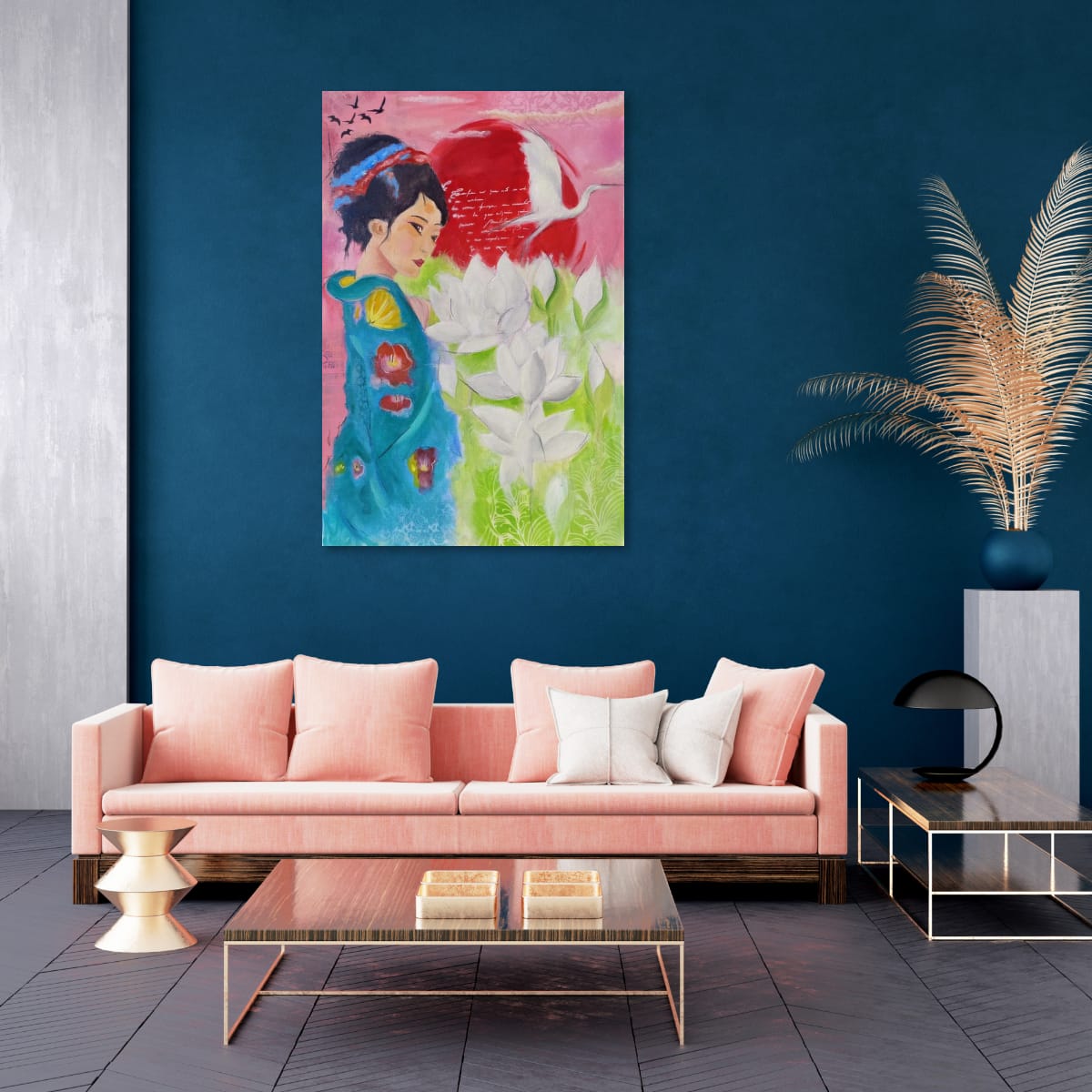
A print can hold more than an image. It can carry the bright watchfulness of a tiger, the hush of a cloud forest, the memory of a journey, or an artist’s deep respect for a place. Museum quality art prints give those stories the material care they deserve, creating work that can be lived with, gifted, collected, and shared for years to come.
For art lovers, a fine print makes it possible to welcome meaningful artwork into everyday spaces. For museum shops, galleries, zoos, and destination retailers, it offers a thoughtful way to connect visitors with the wildlife, landscapes, and cultures that moved them. The difference is not simply sharper detail or heavier paper. It is the feeling that the work has been made to last because the story behind it matters.
What Makes a Print Museum Quality?
“Museum quality” is often used as a broad description, so it is worth looking beyond the phrase. A truly well-made art print brings together a strong original artwork, careful reproduction, lasting materials, and thoughtful finishing. Each choice affects how the print looks on day one and how it will live in a home, collection, or retail display over time.
The printing process matters. Fine art inkjet printing, often called giclée printing, uses high-resolution equipment and pigment-based inks to reproduce subtle shifts in color, texture, and line. This is especially valuable for art inspired by nature. The changing greens of a rainforest, the layered feathers of a bird, or the soft light on a coastal horizon can lose their character when reproduction is rushed or simplified.
Paper is equally important. Archival, acid-free paper helps protect the image from yellowing and deterioration. A matte cotton rag paper can create a tactile, painterly presence, while a smooth fine art paper may suit crisp illustration or detailed photography. There is no single best surface for every artist. The right choice depends on the artwork and on how its color, depth, and emotion are meant to be experienced.
A museum-quality standard also calls for color accuracy. The printed image should feel faithful to the artist’s original vision, not merely attractive on its own. This takes calibrated equipment, considered proofing, and an understanding that a screen and a printed surface do not behave in the same way. Digital color glows with backlighting; paper reflects the light around it. A good print honors that difference rather than fighting it.
Museum Quality Art Prints Begin With Respect
The most memorable art prints do not begin at the printer. They begin with attention: an artist observing a living creature, a community sharing a cultural tradition, or a traveler pausing long enough to see a destination with fresh eyes.
When art draws inspiration from wildlife, indigenous cultures, or treasured landscapes, quality includes respect for the source. The work should invite curiosity and appreciation, never reduce a place or its people to decoration. A print can be joyful, colorful, and accessible while still carrying a deeper sense of connection.
That is why story is part of the value. A customer may first be drawn to a bold elephant silhouette or a botanical composition that brightens a room. Then they learn about the species, the habitat, the artist’s experience, or the conservation effort connected to the collection. The artwork becomes a small daily reminder that beauty is not separate from care.
At ART-TO-PROTECT, this connection between creativity and positive action is central. Collections inspired by extraordinary destinations and biodiversity invite people to take a piece of wonder home while helping create support for the people and ecosystems that protect it.
How to Choose a Print You Will Keep Loving
Choosing art is personal, and the best choice is rarely about following a trend. Begin with the response you have to the image. Does it make you pause? Does it bring back a journey, spark a question, or create a sense of calm and possibility? The prints that stay meaningful often have an emotional connection before they have a perfect place on the wall.
Then consider scale. A small print can create an intimate moment on a bookshelf, beside a desk, or in a gallery wall. A larger work can become the center of a room and give an image room to breathe. If you are deciding between sizes, use painter’s tape to mark the dimensions on the wall. It is a simple way to see how the artwork will inhabit the space.
Color deserves a practical look, too. You do not need to match every tone in a room. In fact, a print can be most alive when it introduces an unexpected shade. Still, notice the overall atmosphere you want to create. Earthy palettes can bring warmth and grounding, while ocean blues, bright tropical colors, or graphic black-and-white artwork can offer energy and contrast.
Finally, ask about the edition and the materials. Open editions make beautiful artwork more widely available, while limited editions can add a sense of rarity for collectors. Neither is automatically more meaningful. What matters is clear information about the work, a standard of production that fits its value, and a piece you genuinely want to live with.
Framing Helps Protect the Story
A beautiful print deserves thoughtful framing. Acid-free mats and backing materials help prevent direct contact between the paper and the frame, while UV-filtering glazing can help reduce the effects of sunlight. Even archival prints benefit from care, particularly in bright rooms.
Avoid hanging artwork in humid spaces or directly opposite a sun-filled window when possible. If a room receives strong daylight, choose a wall with indirect light. These small decisions help preserve the richness of the image and the subtle detail that made you choose it.
The frame itself can shift the character of a print. Natural wood often complements wildlife and landscape art with an organic, grounded feel. A slim black frame can give contemporary illustration a clean edge. White frames can make colorful work feel light and open. Let the frame support the art rather than compete with it.
A Meaningful Choice for Retail Spaces
In a museum shop or destination store, visitors are looking for more than a souvenir. They want an object that extends the experience: a reminder of a remarkable exhibition, an encounter with an animal, a family trip, or a landscape they may never forget.
Museum quality art prints meet that desire with lasting value. They are easy to display, suitable for a range of budgets, and meaningful across generations. A well-curated selection can include accessible smaller prints for spontaneous gifts alongside larger, signed editions for collectors. Together, they give visitors more than one way to bring the story home.
Presentation makes a difference in these settings. Clear artist information, a few sincere words about the inspiration behind a collection, and transparent details about materials allow customers to choose with confidence. If a portion of profits supports conservation partners, that message should be shared plainly and specifically. Purpose is most powerful when it is communicated with honesty.
For retailers, the strongest collections create a bridge between visual appeal and mission. A print may catch someone’s eye because of its color and composition, but its story gives them a reason to remember it, talk about it, and return to it long after their visit.
Living With Art That Connects You to the World
Art changes a room, but it can also change the rhythm of a day. A print near the front door can offer a small moment of wonder before you leave home. A vivid rainforest scene above a workspace can bring a sense of distance and possibility to an ordinary afternoon. A portrait of a beloved species can become the beginning of a conversation with a child, a guest, or a fellow traveler.
This is the quiet strength of art made with care. It does not need to speak loudly to have an impact. It invites us to look again, feel connected, and remember that the natural and cultural richness of our world is worth celebrating and protecting.
Choose the work that stays with you after you have looked away. When it is printed with skill, framed with care, and rooted in a meaningful story, it can become a lasting companion and a gentle invitation to see more beauty in the world around you.